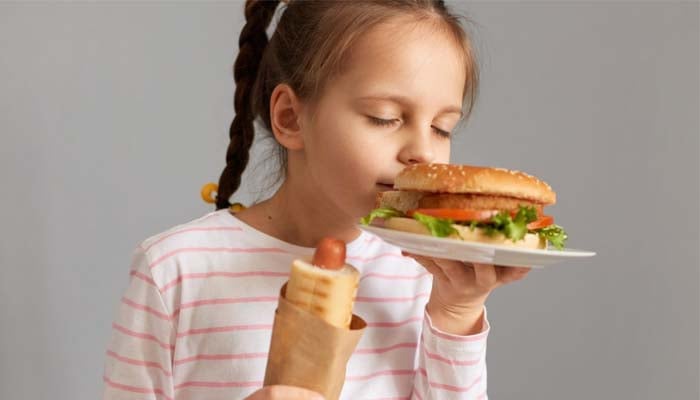
A recent research revealed that ultra-processed foods can impact a young child’s emotional and behavioral development.
According to JAMA Network Open, kids who eat more ultra-processed foods are at a significantly higher risk of developing anxiety, fearfulness, aggression or hyperactivity.
Ultra-processed foods are usually made from products extracted from whole foods that may pose a significant threat on your health such as saturated fats, starches and added sugars.
They contain a range of additives to increase their deliciousness, attractiveness and shelf-stability.
These items include packed goods, sugary cereals, deli cold cuts and ready-to-eat items like French fries or macaroni and cheese.
For the study, scientists analyzed data from an ongoing Canadian study of pregnancy and child health, tracking nearly 2,100 preschool children.
The team compared dietary data gathered when the kids were less than the age of three and old to their scores on an emotional and behavioral well-being checklist at age 5.
Results showed that children who consumed an increased amount of ultra-processed foods were at raised risk of emotional and behavioral problems.
Senior researcher Dr. Kozeta Miliku stated, “The preschool years are critical for child development, and it’s also when children begin to establish dietary habits.”
“As a parent of a toddler, I started noting how often convenience foods appear in children’s diets, sometimes even in places we consider healthy environments,” Miliku added.
However, the accurate amount of ultra-processed foods affecting a child's emotion and behaviours remains unknown.