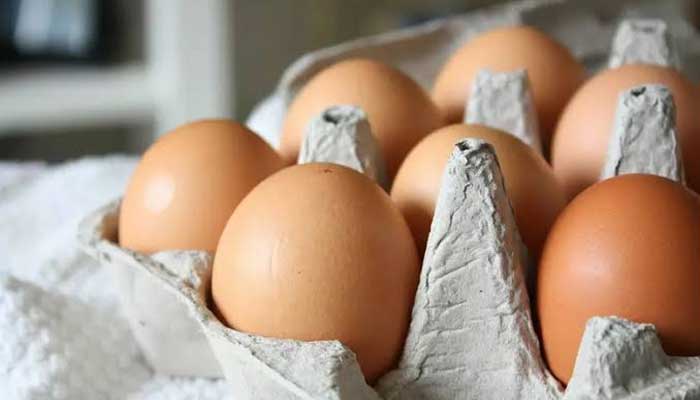
The ongoing Salmonella outbreak in the UK has infected nearly 207 people, sickened 34 and claimed one life as well, with health officials associating the outbreak to imported eggs served in restaurants and cafes.
What is Salmonella?
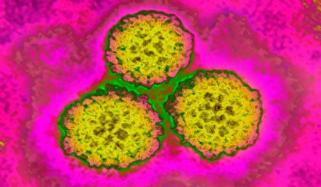
Salmonella is a group of bacteria that causes Salmonella infection, affecting the digestive system.
The infection rapidly spreads via contaminated eggs, meat, poultry, and foods are common sources.
Moreover, it can be transmitted via poor food hygiene, contaminated surfaces, animals and person-to-person contact.
Salmonella symptoms
Salmonella symptoms include diarrhoea, stomach cramps, nausea, vomiting and fever.
Notably, its symptoms generally develop within 12 to 72 hours after infection and usually last four to seven days.
Is Salmonella deadly?
It can be, as it usually occurs when food is raw or undercooked. Notably, it can also be transmitted via cross-contamination.
Although most infections are mild, the bacteria can sometimes enter the bloodstream and cause serious illness.
Young children, elderly individuals, and immunocompromised people are particularly vulnerable.
Salmonella treatment
Usually people don’t require antibiotics, but doctors may prescribe them for severe infections or people at higher risk of complications.
Salmonella Typhi vs Salmonella
Salmonella Typhosa (typhi) causes typhoid fever and differs from the non-typhoidal Salmonella strains commonly associated with food poisoning.
The ongoing UK outbreak involves Salmonella Enteritidis, not Salmonella Typhi.
How to prevent Salmonella?
Salmonella can easily be prevented by proper cooking, especially ensuring cooking eggs thoroughly, avoiding cracked or dirty eggs, washing hands and utensils, and by following proper food-storage practices.