Another rare cosmic event of the year, the spectacular partial lunar eclipse , left the skygazers worldwide in awe on Sunday, August 27–28
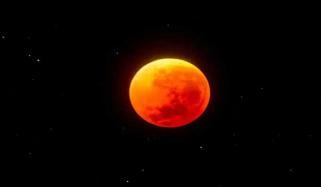
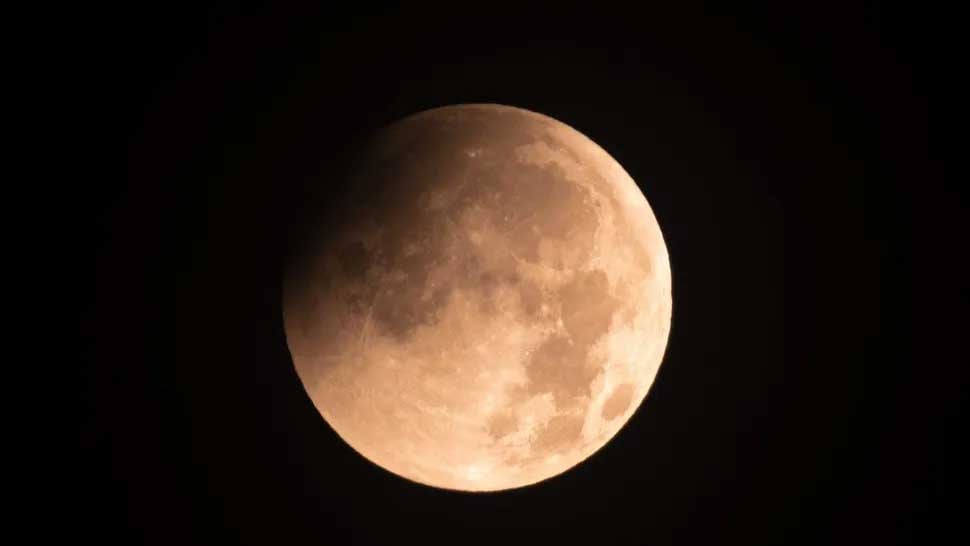
The eclipse happened as Earth moved between the Moon and Sun, casting its deep umbral shadow across 96% of the lunar surface, creating an eerie red “almost blood moon.”
Near the peak, only a small crescent remained directly illuminated by sunlight, while the rest of the Moon appeared deep red.
Best photos of 'Blood Moon' from around the world
To capture the stunning cosmic event in a lens, photographers clicked some outstanding pictures worldwide. Robert Nemeti clicked the rare celestial event, the Moon from Zsujta, Hungary, as Earth’s shadow began moving across its surface.
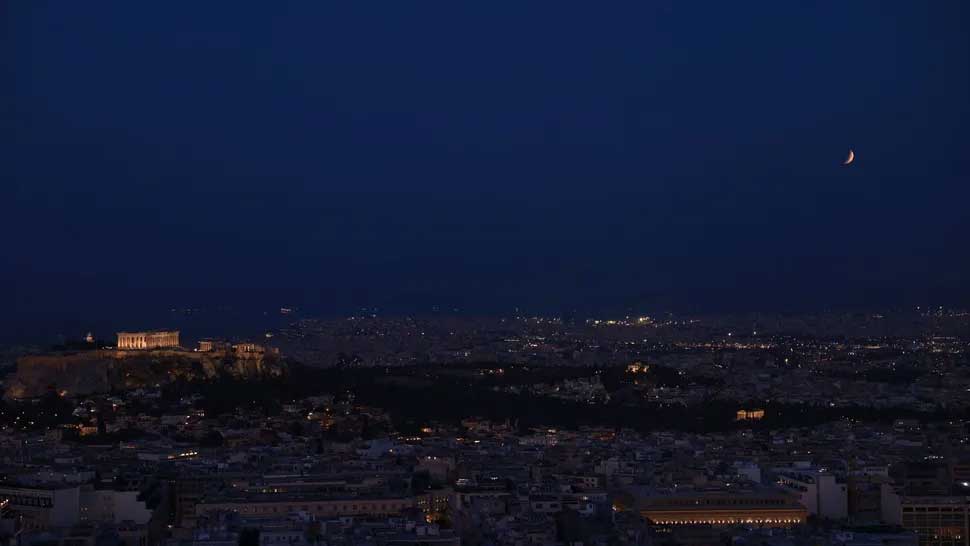
In Athens, Greece, the eclipsed Moon appeared above the ancient Parthenon, while another striking composite image from Pedara, Sicily, showed the shadow gradually covering the lunar disk.
Was there a lunar eclipse last night?
Yes, yesterday night marked an essential date in the celestial calendar due to the awe-inspiring Moon's crimson appearance, which remained prominent around maximum eclipse.
As sunlight passed through Earth’s atmosphere, Rayleigh scattering filtered the light reaching the shadowed lunar surface, producing the characteristic reddish color linked to blood moons.
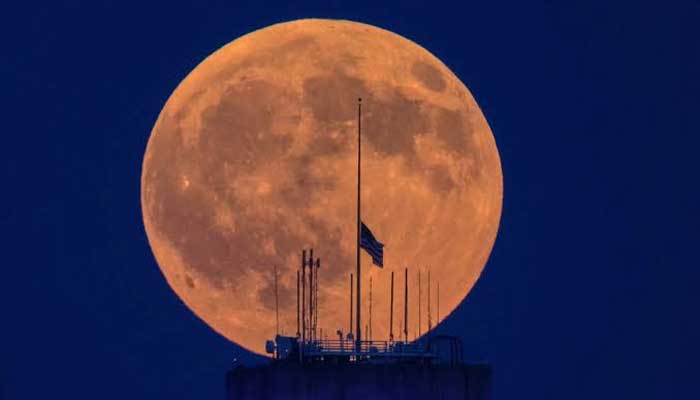
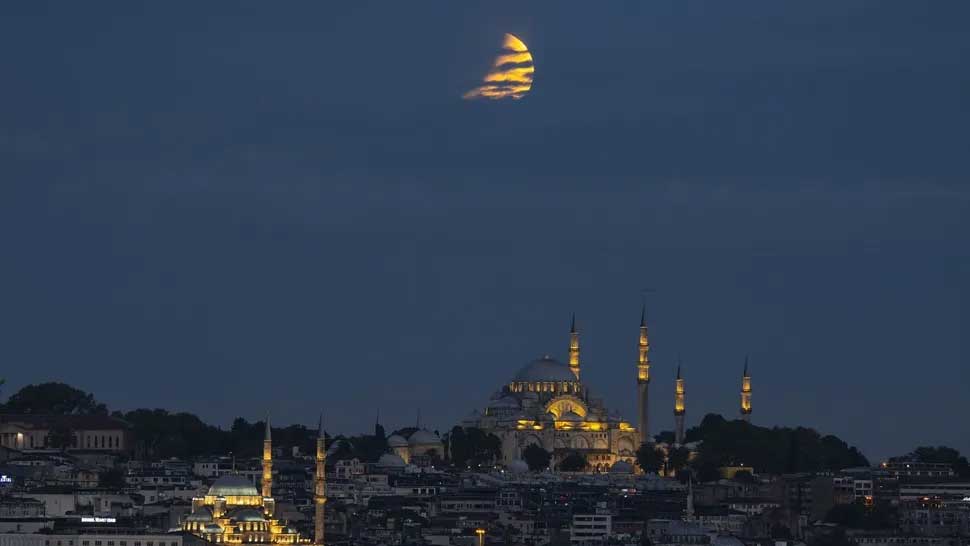
The image below shows a partial lunar eclispe from Istanbul.
When is the next lunar eclipse?
Skygazers will have to wait until December 2028 for the next major lunar eclipse, which is likely to turn the Moon fully red across parts of Asia, Australia, the Pacific, Europe, Africa and the United States.
Ahead of the lunar eclipse another major celestial event is set to excite the anticipated skyobservers: an annular solar eclipse on February 6, 2027, when the Moon will create a spectacular “ring of fire” around the Sun.