US President Donald Trump has issued fresh demand for seven countries to join Strait of Hormuz escort mission.
According to Reuters, Trump's demands for a coalition to help reopen the Strait of Hormuz appeared to fall on deaf ears on Monday, March 16, as allies Japan and Australia said they were not planning to send navy vessels to the Middle East to escort ships through the vital waterway.
With the US-Israeli war on Iran creating turmoil across the Middle East and shaking up global energy markets in its third week, Trump on Sunday insisted that nations relying heavily on oil from the Gulf have a responsibility to protect the strait through which 20% of the world's energy transits.
Markets in Asia reacted cautiously, with Brent crude rising more than 1% above $104.50 and regional share markets mostly weaker amid concerns about the risk to Middle East oil facilities and after Trump's request for allies to get more involved.
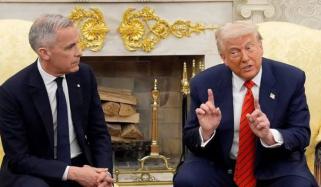
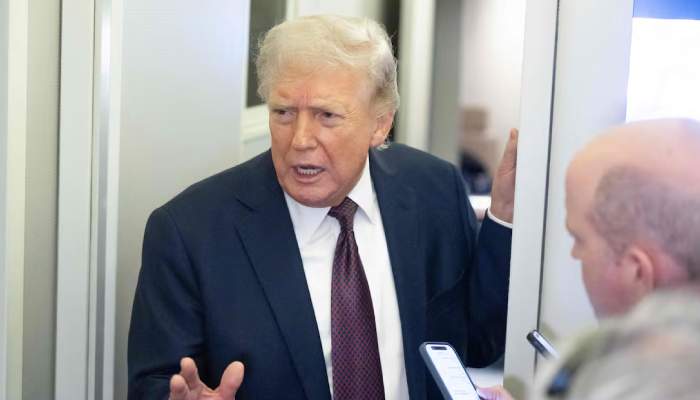
Trump told reporters aboard Air Force One on the way from Florida to Washington, "I’m demanding that these countries come in and protect their own territory because it is their territory. It’s the place from which they get their energy."
Trump said his administration has already contacted seven countries, but did not identify the countries. In a weekend social media post he hoped China, France, Japan, South Korea, Britain and others would participate.
Japanese Prime Minister Sanae Takaichi, a staunch Trump supporter, said on Monday her country, constrained by its war-renouncing constitution, has no plan to dispatch naval vessels to escort ships in the Middle East from where it gets 95% of its oil.
Meanwhile. Australia, another key Indo-Pacific security ally to the US that also relies heavily on fuels made with Middle Eastern crude, said it will not send naval ships to assist in reopening the strait either.