Indirect technical discussions between the United States and Iran are currently underway in the Qatari capital, Doha, as regional mediators work to salvage a fragile peace agreement.
While delegations from both nations are present in the city, there are no face-to-face meetings taking place.
Instead, Qatari and Pakistani diplomats are acting as intermediaries shuttling proposals between the two sides to address critical points in a memorandum of understanding (MoU) signed on June 17.
Tensions over direct negotiations
The ongoing sessions follow days of uncertainty and conflicting reports regarding the status of diplomacy between Washington and Tehran.
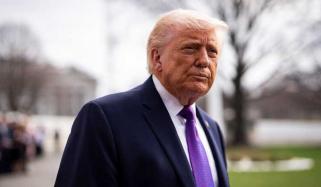
Tensions flared earlier this week after U.S. President Donald Trump suggested that Iran had requested a direct meeting, a claim that Iranian officials quickly and firmly denied.
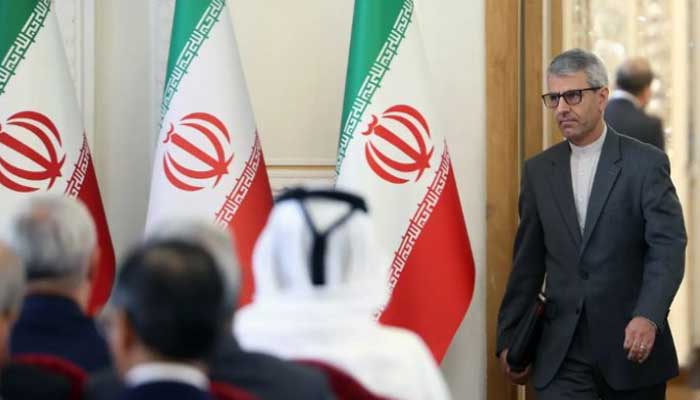
Iranian Foreign Ministry spokesperson Esmaeil Baghaei addressed the matter on Tuesday stating clearly that while Iranian representatives would be present in Doha, they “have no plans for negotiations with the American side at any level over the coming days.”
Focus on frozen assets and implementation
The current technical talks are focused on the implementation of the June 17 agreement which established a 60-day cease-fire in the conflict that erupted following U.S.-Israeli strikes on February 28.
A key priority for the Iranian delegation is the release of frozen assets. President Masoud Pezeshkian has indicated that Tehran expects the U.S. to release $6 billion in frozen funds as a necessary first step toward broader progress.
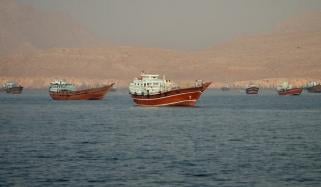
An informed source confirmed that discussions are centered on “implementing the memorandum of understanding reached in Islamabad on June 17, including issues related to frozen Iranian assets and maritime security in the Strait of Hormuz.”
Role of US and Qatari envoys
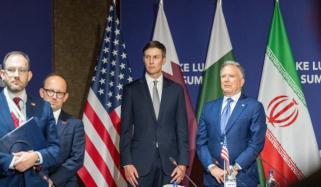
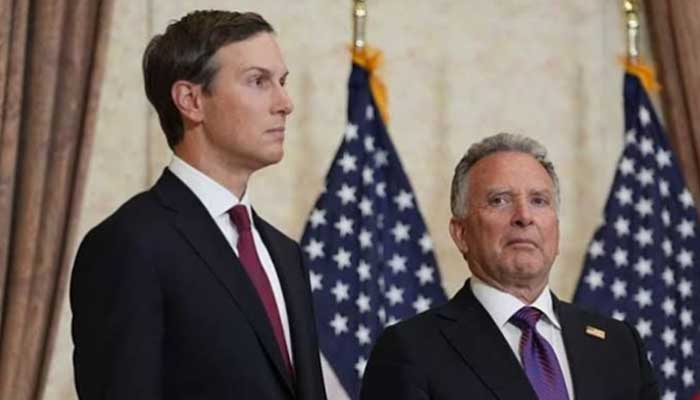
High-level US officials including presidential son-in-law Jared Kushner and special envoy Steve Witkoff arrived in Doha earlier this week. However, they are not participating in the technical sessions with the Iranians.
Instead, they have been meeting with the Qatari Prime Minister, Sheikh Mohammed bin Abdulrahman Al Thani, to discuss the broader regional situation including the conflict in Lebanon and the status of the peace deal.
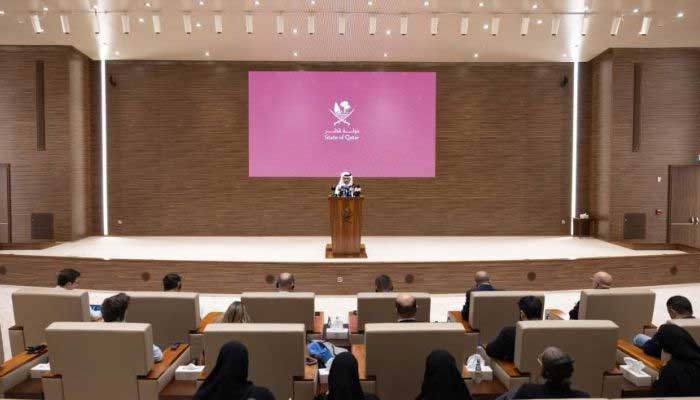
Qatari Foreign Ministry spokesperson Majed al-Ansari confirmed the diplomatic setup emphasizing that “there is no high-level meeting currently scheduled between the US and Iran” and that the U.S. envoys “will not meet directly” with Iranian officials.
A precarious path to peace
The path toward a lasting peace remains precarious. The June 17 agreement also included provisions for the reopening of the Strait of Hormuz which had been blockaded and a roadmap for addressing Iran’s nuclear program.
However, recent violence in the Gulf including exchange of fire following a strike on a cargo ship has strained the interim deal.
Tehran remains firm on its position regarding the Strait with senior sources suggesting the government is determined to maintain control over navigation through the narrow waterway even as it navigates the current diplomatic process.
As the August deadline for the interim agreement approaches, the success of these indirect talks remains uncertain. For now mediators are prioritizing the technical implementation of existing agreements to prevent a return to full-scale hostilities.