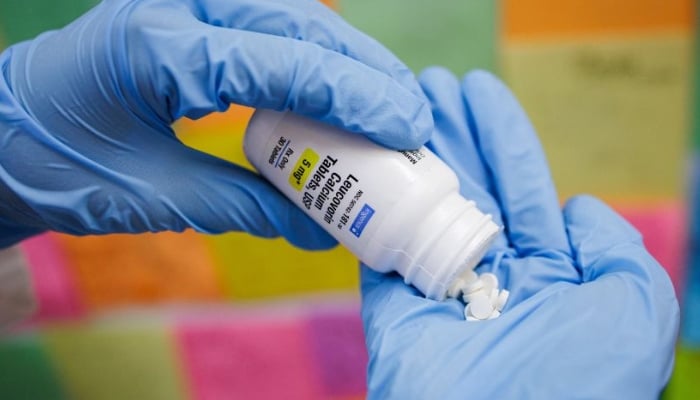
The Food and Drug Administration (FDA) approved a synthetic form of vitamin B9 called leucovorin as the first drug for a rare genetic disorder.
On Tuesday, March 10, the FDA approved the high-dose B vitamin for cerebral folate deficiency, a genetic condition that affects 1 in one million people.
Dr Marty Makary, FDA Commissioner, called Tuesday's approval "a significant milestone" for patients with the condition.
This comes months after the Trump administration said that leucovorin could be a potential therapy for a broader group of patients with autism spectrum symptoms.
However, the new approval is for cerebral folate deficiency, a rare neurological condition characterised by low levels of vitamin B9 in the brain.
An FDA official told reporters on Monday that there is not enough data to support that leucovorin can be used as an autism treatment.
The medication, also referred to as folinic acid, has been used to treat the toxic side effects of chemotherapy, and the FDA has urged existing manufacturers of leucovorin to increase production to match higher demand for the drugs.
While leucovorin is not approved to treat autism, doctors can prescribe it off-label.
Small trials have suggested that leucovorin could be effective as an off-label treatment for children with autism, and some families have reported that it helped their nonverbal kids develop more language and social skills.