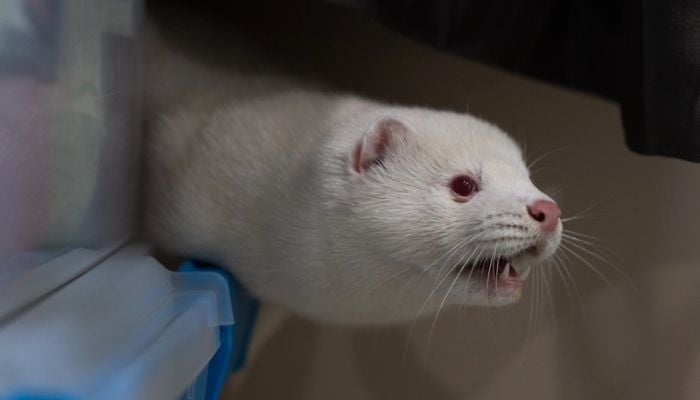
An ongoing H5N1 bird flu outbreak on a commercial mink farm in Utah has raised intense alarm among infectious disease experts. The virus has been spreading unchecked through the farm’s herd since August, leading to massive animal casualties.
Virologists warn that mink are especially dangerous breeding grounds for respiratory pathogens because their lungs express cellular receptors remarkably similar to those of humans.
When bird flu spreads rapidly through a mink population, it gains opportunities to mutate into a strain capable of easily infecting and spreading among people.
Regulatory gaps and official inaction
Despite the severe pandemic risks, regulatory loopholes and administrative inaction have left the outbreak largely uncontained. Federal agencies have noted a lack of direct regulatory authority over captive mink farms, while state officials have declined to order mandatory culling or active health monitoring for farm workers.
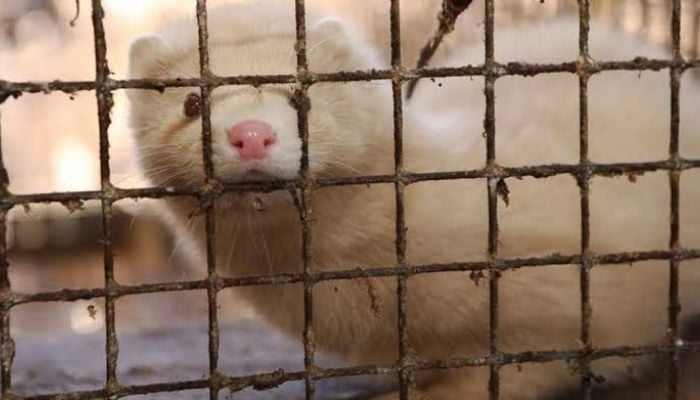
Unlike poultry farms, where entire flocks are immediately culled upon H5N1 detection, no federal containment guidelines or compensation frameworks exist for the mink industry.
Rising risks for human spillover
Public health experts caution that failing to monitor exposed farm workers creates a critical blind spot for potential zoonotic spillover. If a worker contracts seasonal human flu while exposed to infected mink, the two viruses could recombine inside a single host – a process known as genetic reassortment.
Although the CDC maintains that the current risks to the general public remain low and no mink-to-human transmission has been confirmed yet, health officials urge immediate surveillance and containment protocols before the virus adapts further.