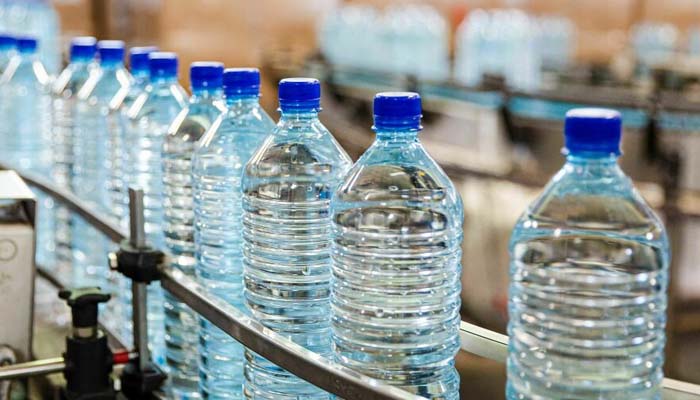
Drinking water from plastic bottle can kill your pancreatic cell and increase diabetes risk.
According to Independent, a new study has revealed that microplastics from everyday sources such as water bottles can directly damage the pancreas.
Previous studies have linked microplastics, plastic particles measuring from about a thousandth of a millimetre to five millimetres, to multiple adverse health conditions, including hormone disruption, diabetes, stroke, and several types of cancer, but most have stopped short of establishing a direct causal link.
The new study confirms that tiny particles of polyethylene terephthalate, or PET, the key component of plastic bottles, have toxic effects on the pancreas.
Researchers from Poland and Spain found that PET microplastics had direct toxic effects on pancreatic cells in pigs, potentially leading to diabetes and obesity.
The scientists used a porcine model due to the physiological similarities between pigs and humans, particularly in pancreatic function and metabolism.
They exposed pig pancreas to varying concentrations of PET microplastics and tracked alterations in fat accumulation and toxicity at cell level, as well as the overall metabolic function of the organ.
The researchers found alarming evidence that PET microplastics could provoke considerable cell death inside the pancreas and lead to severe disruptions in the organ’s function. The particles directly affected proteins involved in key pancreatic functions.
The study noted, “PET microplastics affected protein abundance in a dose-dependent manner. The low dose altered the abundance of seven proteins while the high dose of 17.”
The researchers found an abnormal increase in fat droplet accumulation in the pancreas after exposure to PET microplastics. Fat droplet accumulation is linked to impaired insulin secretion and compromised glucose metabolism.
In addition, the researchers said, PET particles could be triggering inflammation in the pancreas at the cellular level.