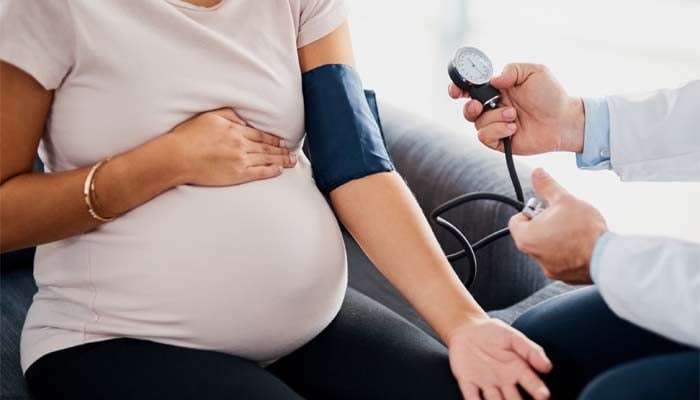
A recent study revealed that managing blood pressure during pregnancy may enhance results for both mother and baby.
As per the research published in BMC Medicine, scientists discovered that even a slight rise in maternal blood pressure is associated with an increased risk of several serious pregnancy complications.
Research found that a 10-point increase in systolic blood pressure— the top number in a blood pressure reading—is linked to raised risks of low birth weight (LBW), preterm birth, labor induction, gestational diabetes, and more complications.
Babies were associated with being smaller than expected for their gestational age.
Lead investigator Maria Magnus of the Norwegian Institute of Public Health stated, “Our findings suggest that higher maternal blood pressure increases the risk of multiple adverse pregnancy outcomes, including preterm delivery, giving birth to smaller babies, needing to have labor induced, gestational diabetes and the baby needing to be admitted to a neonatal intensive care unit.”
For the study, scientists assessed genetic data from over one million European women, including 715,000 pregnant ladies.
Results indicated that women having a genetically driven 10-mmHg increase in systolic blood pressure showed a 12% increased preterm delivery risk, with a 16% higher risk of having a small-for-gestational-age baby, and a 33% increased likelihood of low birth weight.
The similar blood pressure increased minimised the chances of delivering larger or post-term babies.
Scientists concluded that reducing maternal blood pressure could have widespread benefits, though experts stressed the need for further studies to determine the most effective treatment strategies during pregnancy.