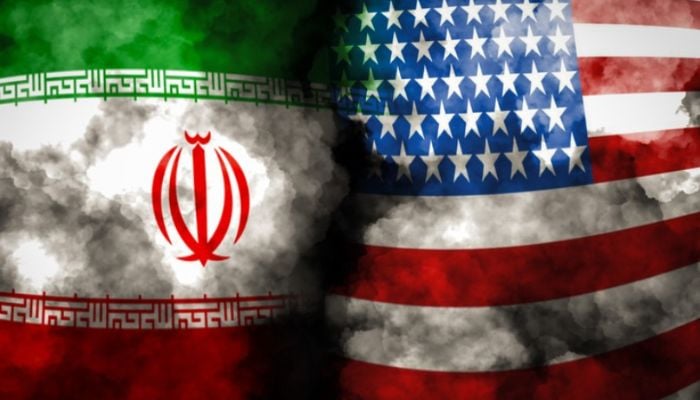
As the US-Iran tensions and the Middle East crisis intensify, both involved countries received the framework of a plan to end hostilities.
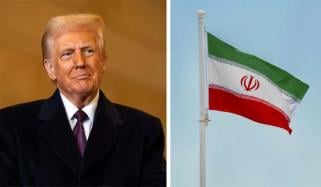
The news came after Iran rejected immediate reopening of the Strait of Hormuz after U.S. President Donald Trump threatened to rain "hell" on Tehran if it did not make a deal the end of Tuesday.
The latest peace plan involves a two-tier approach with an immediate ceasefire followed by a comprehensive agreement to be finalized within 15-20 days, a source aware of the proposals said on Monday.
Concluding the initial phase of negotiations, senior Iranian officials stated that Iran won't reopen the Strait as part of a temporary ceasefire, adding that it won't accept deadlines as it reviews the proposal, as Washington lacks the readiness for a permanent ceasefire.
As reported on Sunday that the U.S., Iran, and regional mediators were discussing a potential 45-day ceasefire as part of a two-phase deal that could lead to a permanent end to the war, citing U.S., Israeli, and regional sources.
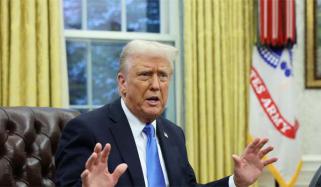
Trump strikes new ultimatum, says deal must be made by Tuesday:
In a post laden with expletives on his Truth Social platform on Sunday, Trump threatened further strikes on Iranian energy and transport infrastructure if Iran failed to make a deal and reopen the Strait of Hormuz till tuesday.
Later on Sunday, the president in a follow-up post gave a more precise deadline: "Tuesday, 8:00 P.M. Eastern Time! (Wednesday 0000 GMT)"
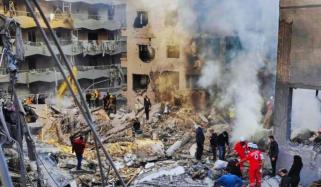
In addition to that, fresh aerial strikes were reported across the region on Monday, more than five weeks since the U.S. and Israel began pounding Iran in a war that has killed thousands and damaged economies by boosting oil prices.
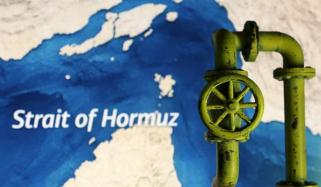
On the other hand, Iran responded to the attacks by effectively closing the Hormuz waterway, a conduit for about a fifth of the world's oil and natural gas supply, and attacking Israel, U.S. military bases, and energy infrastructure around the Gulf.
An adviser to the UAE president Anwar Gargash said any settlement must guarantee access through the Strait of Hormuz.
He warned that a deal that failed to rein in Iran’s nuclear programme and its missiles and drones would pave the way for "a more dangerous, more volatile Middle East."
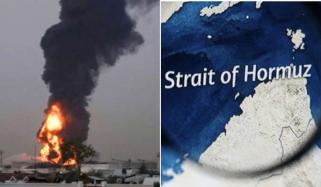
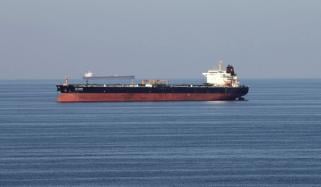
Iranian weekend strikes on petrochemical facilities and an Israeli-linked vessel in Kuwait, Bahrain and the United Arab Emirates underscored the country's ability to fight back despite Trump's repeated claims to have knocked out its missile and drone capabilities.