The US military has conducted strikes on Iranian targets after President Donald Trump accused Tehran of violating the peace deal following an attack on a cargo ship in the Strait of Hormuz.
On Friday, June 26, the US Central Command said it had hit Itanian missile and drone storage facilities and coastal radar positions.
Cargo ship attacked in Strait of Hormuz
The strikes were reportedly in response to a drone attack on a cargo ship on Thursday, an incident which suspended a planned evacuation of thousands of sailors stuck in the region.
Iran said that the cargo ship was attacked because it was using an unauthorised route to transit through the "vital" Gulf waterway.
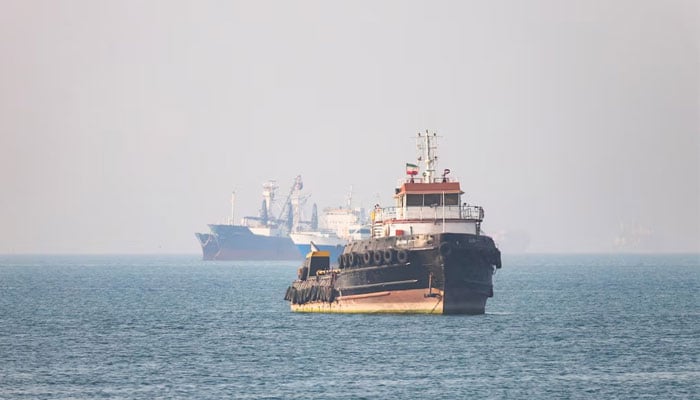
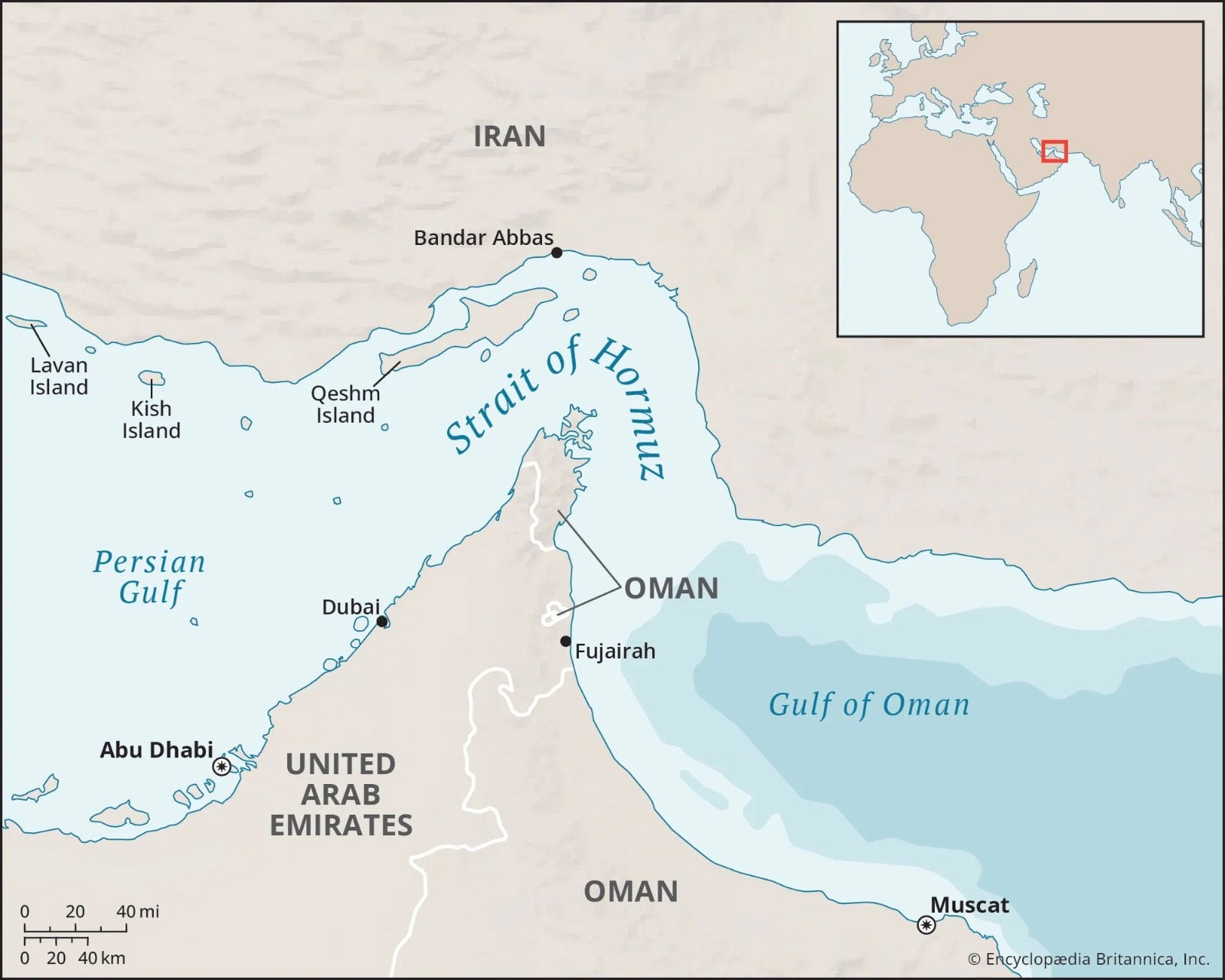
The cargo ship hit by a projectile on Thursday was the Ever Lovely, a Singapore-flagged vessel, as it was exiting the Strait of Hormuz along the Omani coast, said the US Central Command.
Following the attack, the UN's International Maritime Organisation (IMO) halted its planned evacuation of more than 11,000 sailors who have been stranded in the key shipping lane since the Itan war started.
Ever Lovely’s owner company, Evergreen Marine, said in a statement that the ship sustained damage to its bridge windows, but no injuries were reported, and the cargo onboard was safe.
Describing the strikes as "a powerful response" to the drone attack, the US Central Command statement read, "The unwarranted aggression against commercial shipping by Iranian forces clearly violated the ceasefire."
Centcom said that the US military would "continue to provide safe passage coordination and support to commercial vessels transiting the strait".
However, Iran's Islamic Revolutionary Guard Corps (IRGC) blamed the "treaty-breaking US regime".
Previously, Iran warned that it cannot guarantee safety for ships that are not following a specified route close to the Iranian coastline.
Iran reacts to the US strikes
In a statement, the IRGC claimed that the US had launched an airstrike on Iran's coast "under various pretexts of a ship violating an unauthorised route in the Strait of Hormuz".
The IRGC said its navy had retaliated by striking US military positions in the region, without providing any details.
"If the aggression is repeated our response will be more extensive than this," they continued.
Closing of the Strait of Hormuz
Iran closed the Strait of Hormuz after US and Israeli attacks against the country began at the end of February.
The shutdown of the critical waterway for oil and gas shipments caused a spike in global oil prices.
The US and Iran agreed on June 17 to end hostilities under a 14-point memorandum of understanding (MOU), which had also called for Iran to use its "best efforts for the safe passage of commercial vessels with no charge for 60 days".
JD Vance addresses US retaliatory strikes
In a post on X following the US strikes, the US Vice President JD Vance said that if Iran "has disagreements about how the MOU is being applied, they can pick up the phone".
"But violence will be met with violence," he said.
Attack 'in the middle of negotiations once again'
Ebrahim Azizi, a head of the Iranian parliament's national security comission, said on social media that the US had "attacked Iran in the middle of negotiations once again".
In the post he penned, "This reckless violation of the ceasefire will, as always, lead to retreat and regret on their part. The blame game does not work anymore."
About charging fees on the Strait of Hormuz
In recent days, President Donald Trump and other US officials claimed that the negotiations with Iran were progressing well, noting that Iran had given up any suggestion of tolling vessels transiting through the strait.
The US has condemned reports about possible charging fees to tankers passing through the strait, with Trump sharing that if there are any tolls or charges, then the "negotiations would end".
However, Iran's chief negotiator, Mohammed Bagher Ghalibaf, told state-affiliated news outlets that "everyone should know that the administration of the Strait of Hormuz will never go back to the way it was before the war".