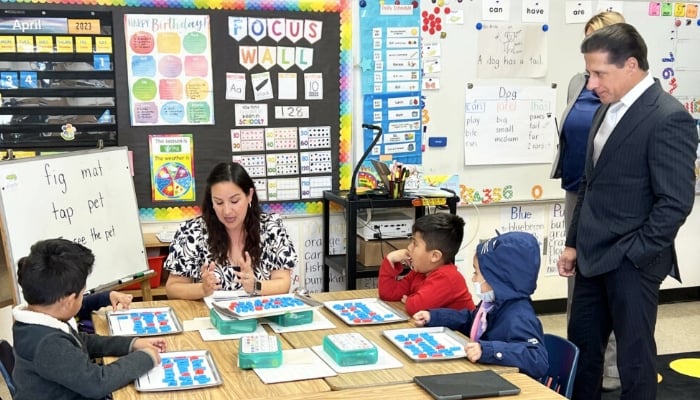
In a move to address a growing concern among parents and educators about the intense use of technology in the classroom, the Los Angeles Unified School District (LAUSD) has introduced a key policy.
LAUSD class room screen time restrictions
According to the new policy, set to reduce classroom screen time, students from preschool through first grade are entirely banned from using screens and would have no screen time in their classrooms.
Second and third graders will have a daily limit of 20 minutes of screen time, while fourth and fifth graders are restricted to 30 minutes.
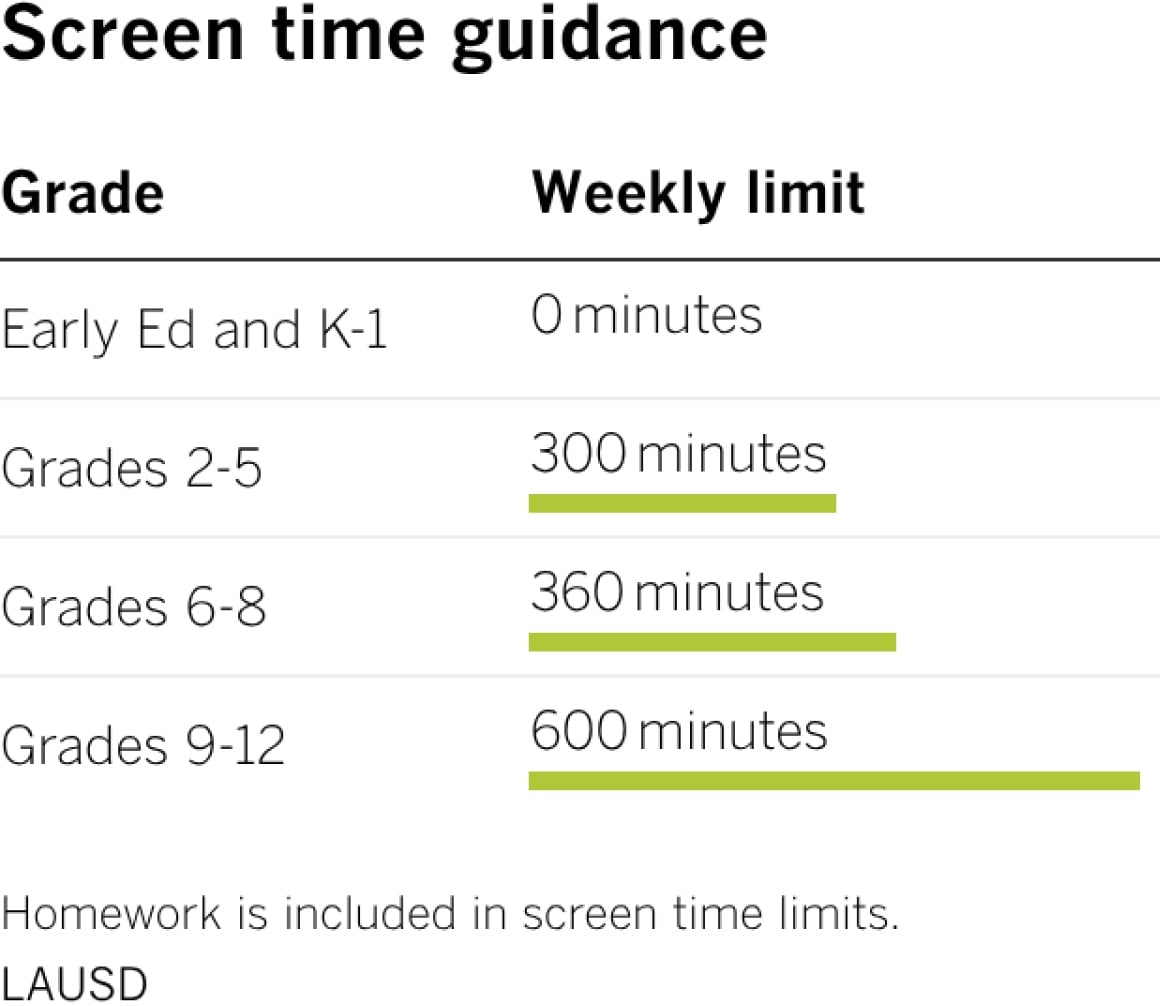
The middle school limits allow for a total of one hour of screen time per class per week, amounting to six hours weekly across various subjects.
Moreover, high school students will be allowed 1.5 hours of screen time per class each week, bringing total classroom screen time to ten hours per week.
The students will no longer have the option to take home school-provide computers on a daily basis.
How would LAUSD monitor the new policy?
To ensure compliance and effective monitoring, the district plans to implement software that tracks screen time across its digital devices.
School board member Nick Melvoin, who advocated the new resolution, described the screen time policy as "incredibly robust and groundbreaking".
_updates.jpg)
He expressed hope that this initiative could serve as a model for educational reform both nationally and globally.
The significant decision comes amid a rising national support for reduced screen time in educational settings.
Jodi Carreon, co-leader of the California chapter of the Distraction-Free Schools Policy Project, noted that the LAUSD's actions have sparked widespread interest, with an escalating rise in signatures on related education technology petitions across the country.
Limited screen time for younger children
Experts have been highlighting the need for limiting screen time, particularly for younger children.
The American Academy of Pediatrics recommends prioritising activities that foster social interaction and play for children aged five and under and links excessive screen exposure to the delay in children development.
Furthermore, the US Surgeon General has shared a recommended screen time for children, suggesting a maximum of one hour daily for children aged 1.5 to 6 years and no more than two hours for those aged 6 to 18 years.
Despite the anticipated benefits, some parents have voiced concerns over the strict limitations, arguing that a balanced approach is necessary, especially for students who may have limited access to technology outside of school.
Advocates for digital learning tools caution that while technology can be beneficial, it must be used thoughtfully.
In addition to the new screen time guidelines, discussions have emerged about the use of artificial intelligence in classrooms.
Parents have called for a halt on AI tools while the district develops appropriate guidelines, raising concerns about the complexity of managing such technologies in an educational environment.
Teacher-led approach for students
The new policy aims to focus on traditional, teacher-led instruction as a primary method of teaching, with plans to transition to teaching models that allow for limited technology use, such as laptop carts or designated computer labs.
Teachers will be encouraged to utilise educational media that is closely aligns with curriculum objectives while minimising students' exposure to distracting content and advertisements across technology platforms.