Tehran is preparing for a massive six-day funeral for Iran’s late Supreme Leader, Ayatollah Ali Khamenei, who was killed in a U.S.-Israeli airstrike on February 28, 2026.
After months of delays due to a ongoing conflict and security risks, the ceremonies are finally set to begin on Saturday, July 4, 2026, at the Grand Mosalla mosque in Tehran.
A multi-day farewell
The government aims to use the event as a display of national strength and unity. Lead organizer and First Vice-President Mohammad Reza Aref has described the proceedings as “the most important event of this century” and the largest gathering since the 1979 revolution.
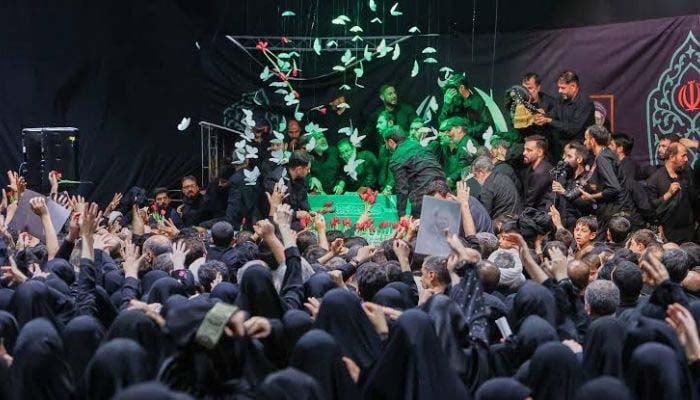
The funeral will feature processions through Tehran, the holy city of Qom and eventually the Iraqi cities of Karbala and Najaf before concluding with a final burial in the Imam Reza shrine in Mashhad on July 9.
International attendance
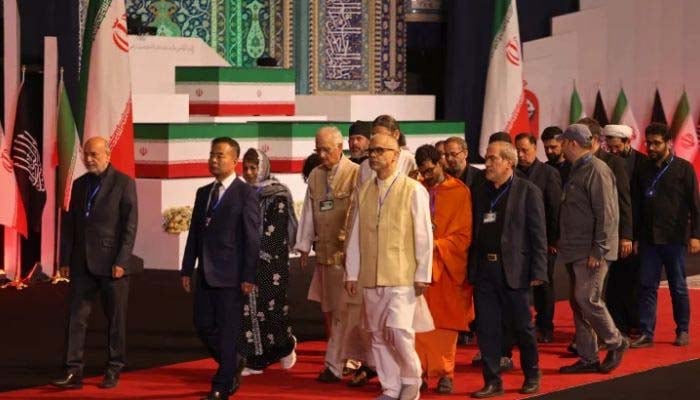
While the Iranian government has been selective with its guest list, representatives from approximately 30 countries are expected to attend. Pakistan’s Prime Minister, Shehbaz Sharif, is confirmed to participate.
Other notable attendees include Russian Deputy Chairman of the Security Council Dmitry Medvedev, Tajik President Emomali Rahmon and He Wei a, deputy leader of China’s top legislative body.
Indian officials including the Governor of Bihar Syed Ata Hasnain and Deputy Foreign Minister Pabitra Margherita, are also set to represent New Delhi.
Lingering uncertainties
A major question remains regarding the appearance of Khamenei’s son and successor, Mojtaba Khamenei. Reports indicate he was severely injured in the same airstrike that claimed his father’s life and has not appeared in public since.
Meanwhile, officials have explicitly excluded leaders from Europe and the U.S. from the invitation list.
Foreign ministry spokesperson Esmail Baghaei stated that European nations currently stand on the “wrong side of history” labeling their response to the strikes “truly shameful.”