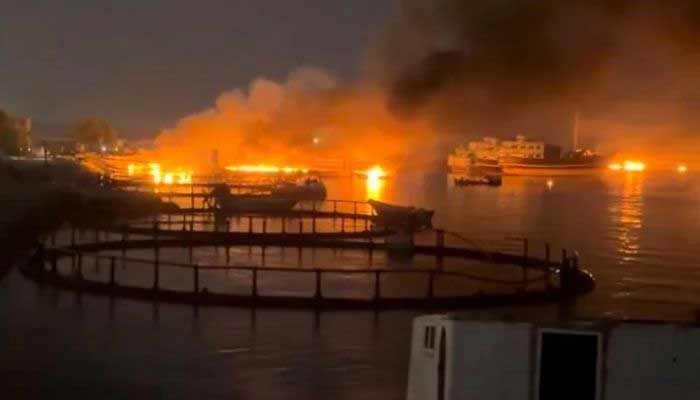
Tensions in the Middle East have surged as a fragile interim ceasefire between the United States and Iran appears to have collapsed.
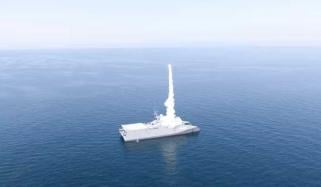
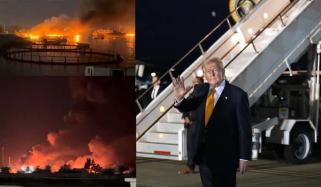
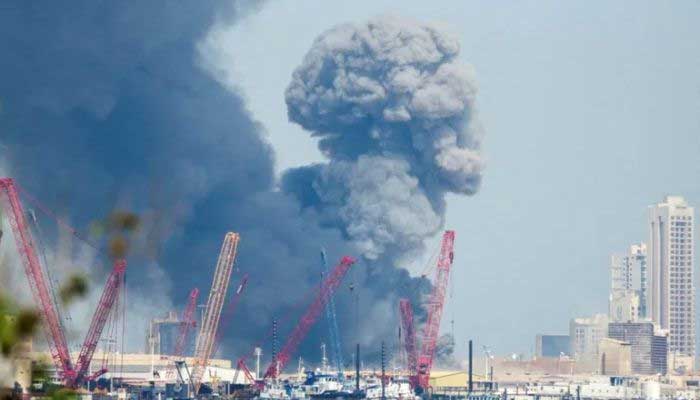
Following Iranian attacks on commercial vessels in the Strait of Hormuz, the U.S. launched two consecutive nights of widespread airstrikes against military targets across Iran.
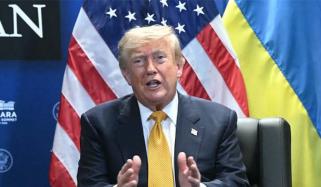
President Donald Trump, speaking from a NATO summit in Ankara, signaled that diplomatic patience has run out. “I think it’s over. I don’t want to deal with them anymore. They’re scum,” he stated, adding that Iran is led by “vicious, violent people.”
Retaliation across the gulf
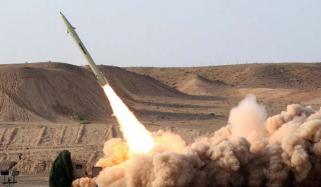
In a direct response to the U.S. bombing campaign, Iran launched a massive wave of kamikaze drones and missiles targeting Bahrain, Kuwait and Qatar. These nations serve as key hubs for American military presence including the U.S. Navy’s 5th Fleet in Bahrain.
While military officials in the region reported that they are actively intercepting incoming threats, the escalation has triggered widespread missile alerts and renewed fears of a broader regional war.
A broken peace deal
The violent exchange effectively ends a memorandum of understanding signed on June 17, which had aimed to pause hostilities for 60 days to allow for nuclear and maritime negotiations.
The U.S. military justified its actions by stating it needed to “further degrade” Iran’s ability to threaten global shipping lanes. As part of this new hardline stance, the administration has also revoked Iran’s license to sell oil on the international market.
Divisions within Tehran
The conflict has unfolded during the final days of the funeral for Iran’s late Supreme Leader, Ayatollah Ali Khamenei.
While some Iranian officials have vowed not to “fold,” the simultaneous mourning period and military crisis have highlighted internal divisions. Hardliners are pushing for aggressive responses, while others had previously sought a permanent truce to ease economic sanctions.
Future outlook
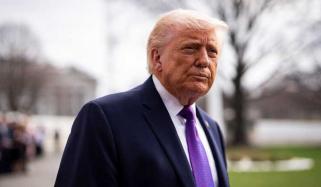
Despite the aggressive rhetoric, President Trump has hinted that some back-channel communication remains, noting, “I’ll speak to our negotiators.” However, he also warned that if Iranian aggression continues, “it will get much worse.”
With global energy security at risk and military posturing intensifying, international observers are now bracing for what many fear could be a return to full-scale conflict.