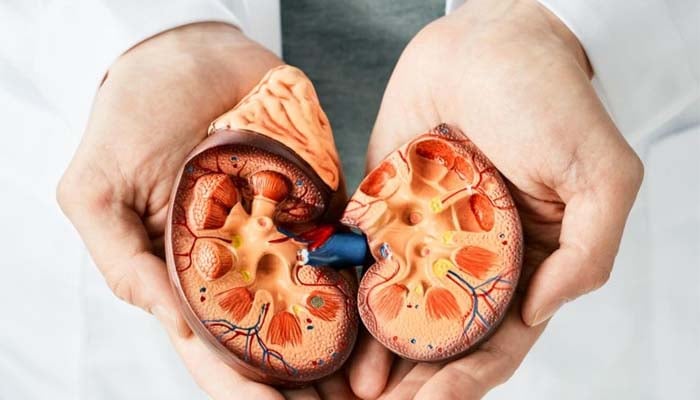
The latest data suggested that over 40% of adults in the US have chronic kidney disease (CKD); however, CKD shows no symptoms until it reaches a progressive stage, making early detection essential.
CKD occurs when the kidneys are unable to do proper filtration, significantly increasing the risk of heart diseases, bone disorder, anemia, kidney failure, and nerve damage.
Genetics, a family history of diabetes, kidney disease, hypertension, cardiac disorders, infections, cancer, obesity, and long-term use of specific pain drugs can raise the risk.
CKD’s symptoms include edema all over the body, as the disease progresses, people are likely to experience tiredness, loss of appetite, nausea, muscle cramps, dyspnea, and more problems.
It can only be managed by early detection via urine and blood tests. If diagnosed, doctors often recommend dietary changes, including potassium, sodium, processed foods, and sometimes protein.
Some other factors such as performing physical activity, avoiding alcohol and tobacco, and managing stress plays a crucial role.
Drugs may be prescribed to control underlying conditions. In severe cases, dialysis and kidney transplants are required.
People who are at risk are advised to consult medical professionals regarding kidney tests, diet, medications to prevent CKD from aggravaing condition.