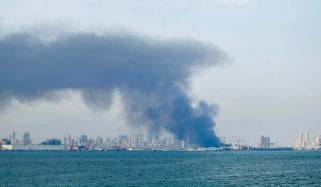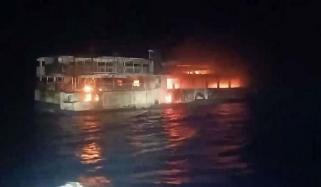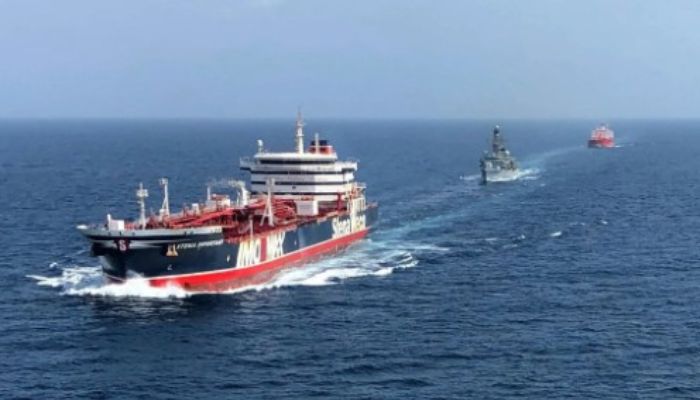
As the tensions between Iran and Israel escalate, the major dispute results in an energy crisis and the closure of the Strait of Hormuz, which lets global economic uncertainty.
Reflecting upon the situation amid ongoing war, Iran has told International Maritime Organization member states that "non-hostile vessels" may transit the Strait of Hormuz if they coordinate with Iranian authorities.
As reported by Financial Times, the U.S.-Israeli war against Iran has all but halted shipments of about one-fifth of the world's oil and liquefied natural gas through the Strait of Hormuz, causing oil supply disruption.
The London-based U.N. shipping agency is responsible for regulating the safety and security of international shipping and preventing pollution and comprises 176 member states.
In the letter circulated among IMO members on Tuesday, Iran’s foreign ministry said Tehran had “taken necessary and proportionate measures to prevent the aggressors and their supporters from exploiting the Strait of Hormuz to advance hostile operations against Iran,” the newspaper said.
Tehran said in the letter that vessels linked to the U.S. and Israel, as well as "other participants in the aggression, do not qualify for innocent or non-hostile passage," the FT said.
Previously, a global oil crisis had been observed worldwide, where countries have faced oil shortages and are still bearing high costs after geopolitical instability.