Gulf states are urgently exploring new ways to transport oil and gas to bypass the Strait of Hormuz, a crucial shipping lane currently threatened by regional tensions.
With concerns over potential blockages, officials and energy leaders are discussing costly, complex infrastructure projects to ensure steady exports.
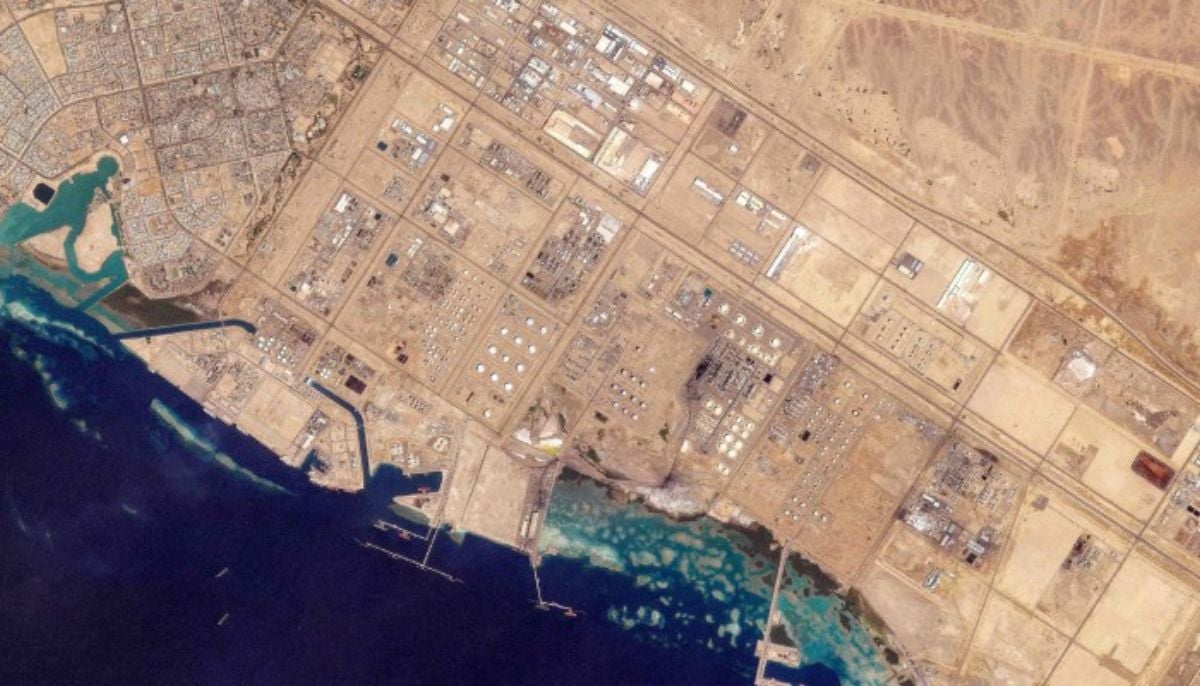
Saudi Arabia’s existing East-West pipeline which carries oil to the Red Sea has proven vital. As one senior Gulf energy executive noted, “In hindsight, the East-West pipleline looks like a brilliant solution.”
Now countries are considering expanding such networks or building new routes.
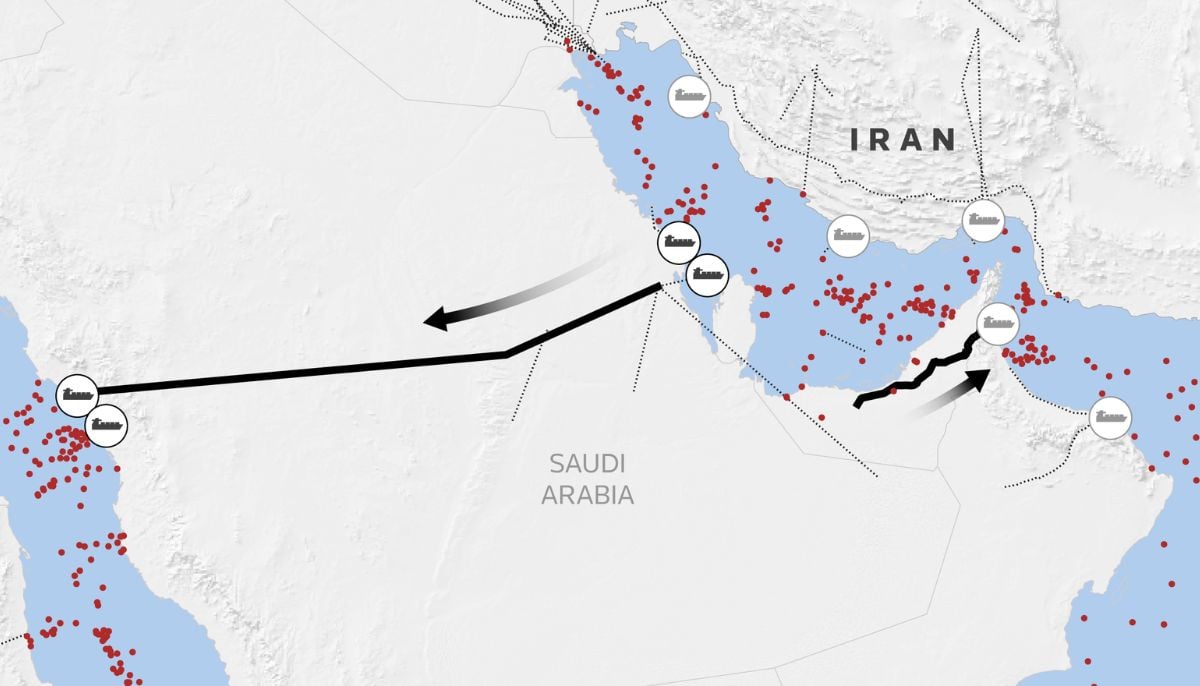
One ambitious, long-discussed option being revisited is part of the US-backed India-Middle East-Europe Economic Corridor (IMEC), which could potentially link the Arabian Peninsula to the Mediterranean port of Haifa.
Proponents argue these land-based routes are necessary for regional security.
Yossi Abu, CEO of NewMed Energy, emphasised, “You need oil pipelines, railway connectivity throughout the region, onshore, without giving others bottlenecks to choke us.”
While the plans remain in the discussion phase due to high costs and political challenges, experts observe a clear shift. As Atlantic Council advisor Maysoun Kafafi stated:
“I feel a shift from hypothetical considerations to operational reality.”