Amid the uncertainty of the future of ceasefire between US-Iran, the entire world is currently eyeing US’ action after Iran proposed some points, aiming to end the Strait of Hormuz chokehold without nuclear concessions after ceasefire extension.
Though a recent report suggested US President US Trump is unlikely to accept Iran’s latest proposal to end war without nuclear talks.
US-Iran sticking points to remain in any deal
Here are several main sticking points that remain in any deal between the US-Iran.
Iran’s nuclear programme: The US wants Iran to discontinue its nuclear programme altogether; however, Tehran stated that such restrictions must be for a limited number of years.
Iran’s uranium stockpile: Trump wanted complete custody of Iran’s stockpile of 400kg (880lbs) of highly-enriched uranium and faced rejection from Tehran.
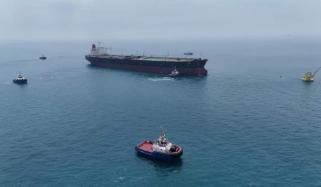
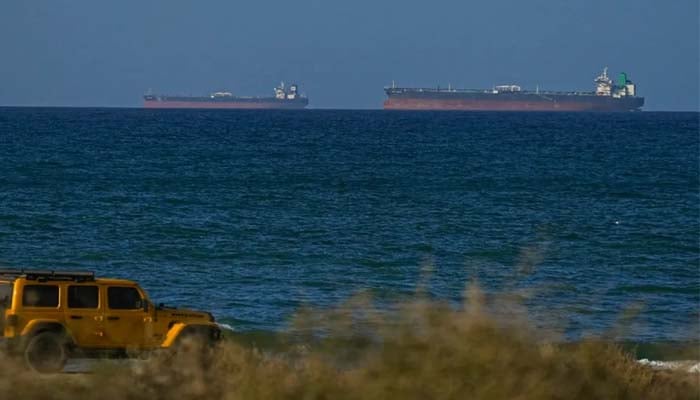
Strait of Hormuz: Iran continues to maintain restrictions on the vital waterway until the US lifts its blockade on Iranian ports; however, Trump stated that the blockade will be continued until striking a deal.
Frozen assets: Iranian officials are demanding sanctions relief and the unfreezing of $20bn in assets as part of any deal.
War reparations: Iran has also demanded compensation for damage caused by Israeli-US strikes, amounting to nearly $279bn.
Iran’s regional influence: The US wants to impose restrictions on Tehran's support for its regional allies, including Hezbollah in Lebanon and Hamas in Gaza.