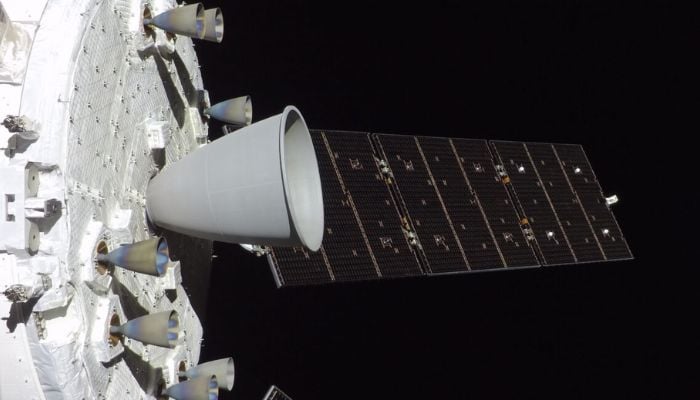
NASA’s historic Artemis II mission which launched on April 1, 2026, has concluded with a triumphant splashdown but engineers are already racing to solve a nagging issue before the next lunar landing.
Initial inspections of the Orion spacecraft’s heat shield – a major point of concern following unexpected charring on the uncrewed Artemis I flight – showed it performed much better this time around.
NASA officials confirmed that “initial inspections of the system found it performed as expected with no unusual conditions identified.
The agency successfully managed the heat by adjusting the spacecraft’s return path ensuring the four-person crew stayed safe.
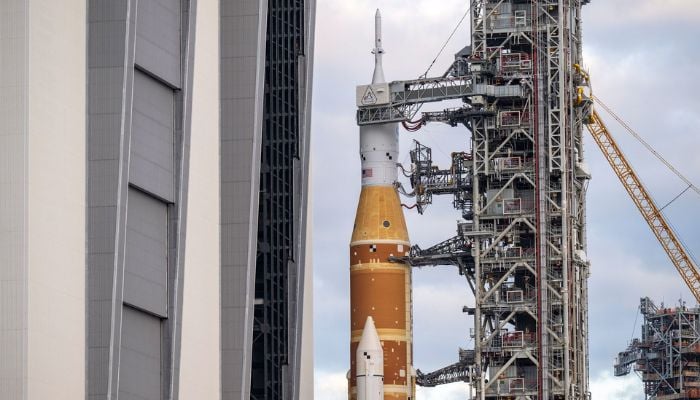
Commander Reid Wiseman noted that from the astronauts’ perspective, “it looked wonderful to us. It looked great and that ride in was really amazing.”
Despite this success, NASA is not resting. They must now address an internal helium leak in Orion’s propulsion system that was identified during the flight.
While it didn’t threaten the crew, solving this is critical for Artemis III, as the mission will require more complex maneuvers like docking in lunar orbit.
With the heat shield “missing chunk” mystery largely solved, NASA is moving full speed ahead toward a 2027 lunar return.