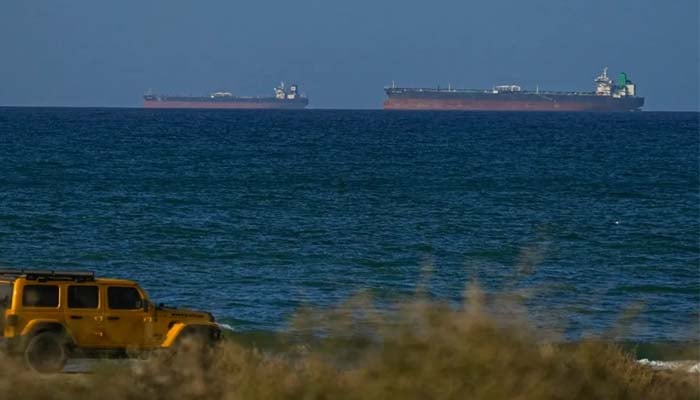
The Strait of Hormuz, a vital waterway used for global trading, has become a key pressure point shaping the future of the war.
Iran is currently primarily focused on undersea internet cables, carrying significant global data and financial traffic between Europe, Asia, and the Gulf.
Notably, Iranian officials have now proposed charging global tech companies such as Microsoft, Meta, Google, and Amazon fees for cables crossing the Strait of Hormuz.
Authorities suggested that cable repair and maintenance rights should belong only to Iranian firms.
Authorities suggested that cable repair and maintenance rights should belong to Iranian firms. While strict US sanctions make direct payments difficult, Tehran has hinted that cable traffic could face disruption if demands are ignored.
Experts warned that any attack on subsea cables are likely to cause severe internet disruptions and may also pose a significant financial impact. These cables support banking systems, cloud infrastructure, military communications, streaming services, and global trade.
Iran-linked threats have sparked concerns regarding potential digital instability across the Middle East, India, Africa, East, and parts of Asia and Europe.
Although most cables avoid Iranian waters for some security reasons, some major lines still pass through the region.
Some analysts suggested Tehran is trying to turn its geographic position into long-term economic and strategic power, much like Egypt benefits from the Suez Canal.