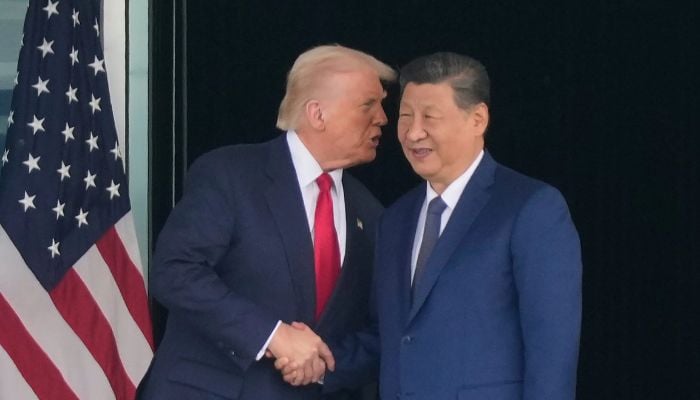
Recent diplomatic meetings between U.S. President Donald Trump and Chinese President Xi Jinping have sparked unease in New Delhi.
During his mid-May visit to Beijing, President Trump hailed the summit as a major success, stating:
“We’ve settled a lot of different problems that other people wouldn’t have been able to solve” and describing the U.S.-China relationship as “a very strong one.”
He even referred to the two nations as the “G2,” a term that has caused concern in India which fears being sidelined by a Washington-Beijing power dynamic.
While the two leaders focused on trade deals and economic stability, experts warn that this pivot toward “strategic stability” with China could weaken India’s influence in the Indo-Pacific.
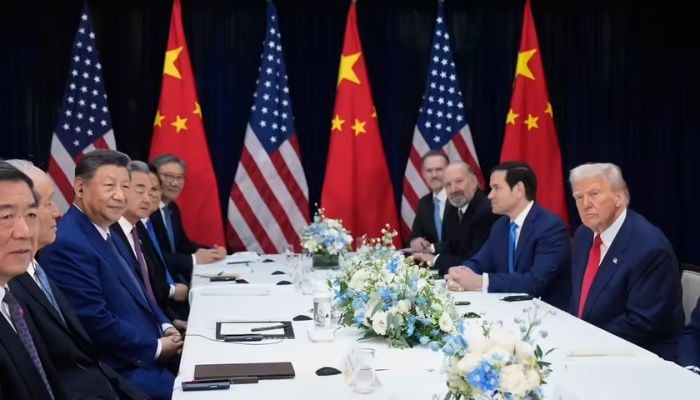
Indian analysts are particularly wary of the U.S. seeking a “détente” with Beijing which they argue removes necessary strategic balance.
As one policy observer noted, India must now rely on “open-eyed diplomacy” rather than assuming a natural strategic convergence with the U.S.
While the Indian government remains focused on its policy of strategic autonomy, the shifting tone from the White House serves as a reminder that India must navigate an increasingly unpredictable global order balancing its relationship with Washington, Beijing and other key powers.