A H5N1 bird flu has been discovered for the first time in Australia, meaning that the highly pathogenic variant has now reached every continent of the globe.
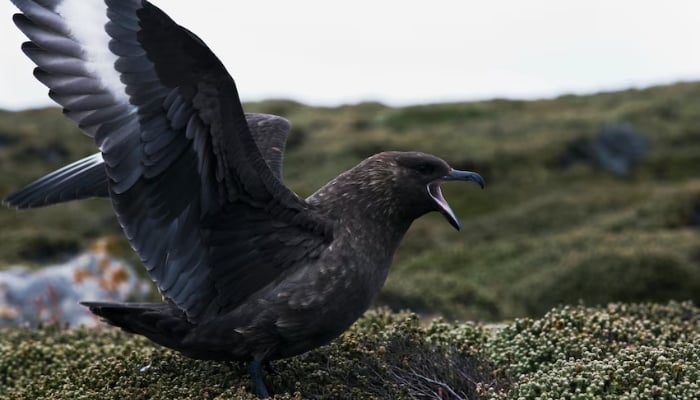
On Saturday, June 20, the Agriculture Minister Julie Collins said that the disease was found in a migratory seabird, a brown skua, in remote Western Australia.
The bird was found on a beach at the Cape Le Grand National Park near the town of Esperance, about 700 km south-east of Perth.
Australia was previously the only continent where the H5N1 bird flu strain had not been found.
The strain can spread quickly among poultry and wild bird populations.
"We all knew we couldn't be bird flu-free forever," Collins told a press conference.
Collins added that there was a second suspected case of bird flu, a southern petrel that was found exhausted on an Esperance beach, though she added that there was no "evidence of mass moralities at this time".
As reported by the ABC, Threatened Species Commissioner Fion Fraser said authorities would know "within a few days" if the virus was present in any other animal populations in Australia.
The report also quoted the country's Chief Veterinary Officer Beth Cookson who said authorities had been "preparing for this event for a long time" and that the committee for emergency animal disease had convened on Saturday.
About Bird Flu
Bird flu is a disease caused by a virus that infects birds and sometimes other animals, such as foxes, seals and otters.
The major strain, circulating among wild birds worldwide, is a type of the virus known as H5N1. It emerged in China in the late 1990s.
Bird migration has led to outbreaks in domestic and wild birds- and in very rare cases also infected humans, usually from contact with sick animals
H5 bird flu symptoms in animals
Wildlife Health Australia states that the symptoms of H5 bird flu in wildlife can vary widely.
Some infected animals may appear weak or unresponsive and display symptoms such as seizures, incoordination or breathing difficulties.
Wild birds with bird flu may be unable to fly and could have a puffed-up appearance.
It is also known to cause sudden death in birds before signs of ill health even show.