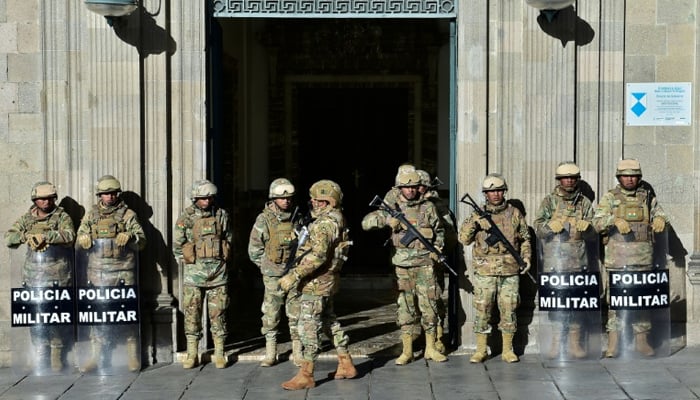
Bolivia's government deployed soldiers and bulldozers to raze anti-government roadblocks.
This came after Bolivian President Rodrigo Paz has declared a state of emergency, which gives the military the power to remove blockades that have disrupted food and fuel supplies, Al Jazeera reported.
Barricades that have been erected on key roads have effectively isolated the administrative capital, La Paz, after a wave of protests calling for Paz to step down over austerity measures have brought the economy to a halt during the past 50 days.
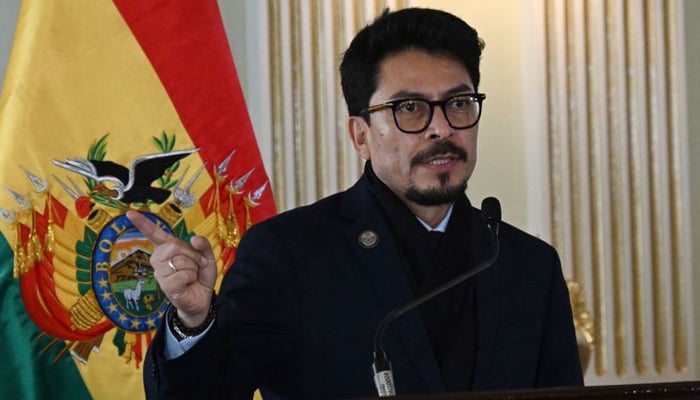
Addressing the nation early on Saturday morning, Paz said antigovernment blockades were no longer a social protest but an organised attempt to destabilise Bolivia’s democracy.
The president said in a televised address, “This is not a state of emergency to restrict people’s lives. It is a state of emergency to give people back their freedom.”
He said the state of emergency was to ensure fuel supplies, which have been disrupted by roadblocks that have left tanker trucks stranded.
The government stated that the decree will last 90 days but could be lifted earlier if “violence and threats against the population come to an end.” But more specifically, the decree prohibits “blocking streets, avenues, roads and highways in ways that affect transportation and supplies.”
It also orders the armed forces to temporarily support the police “in restoring order, reopening roads and protecting the population.”
Over the last five weeks, a wave of protests has erupted against Paz’s austerity measures, which included the cancellation of fuel subsidies and other issues.
As per authorities the protests, however, have led to violent confrontations between demonstrators and riot police, leading to 365 arrests and 37 injuries.
Bolivia’s ombudsman’s office and human rights organisations have said at least 17 people have also died, with most of them linked to a lack of medical care due to transportation disruptions.