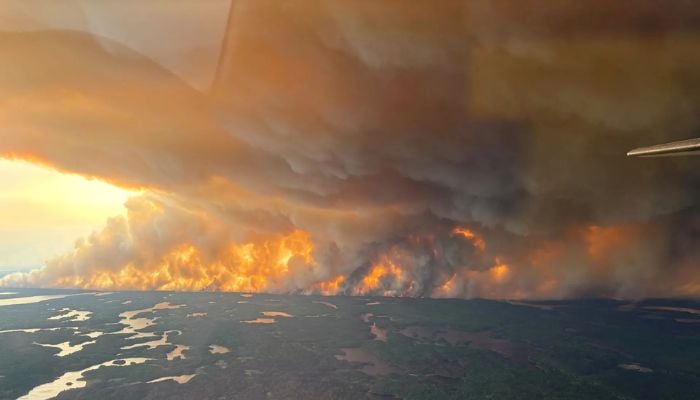
Millions of people across the Midwest and East Coast are bracing for hazardous air as thick smoke from wildfires in Canada and Minnesota drifts south. The smoke is creating hazy, yellow-tinted skies, with air quality reaching unhealthy levels in many areas.
A health warning for millions
Meteorologists are tracking the smoke as it moves with northwestern winds. “This smoke may reach the ground in some areas leading to potentially unhealthy air quality for several days.”
Weather Channel experts warned. Health officials emphasize that prolonged exposure can be dangerous. As one weather specialist noted:
As smoke levels increase, health risks increase. Limit time outdoors. Consider reducing or rescheduling outdoor sports, activities and events.”
Where the impact is greatest
The poor air quality is affecting regions from the Twin Cities down to the East Coast. By Wednesday afternoon, heavy smoke was expected to cover parts of New England, Pennsylvania, Detroit and Milwaukee.
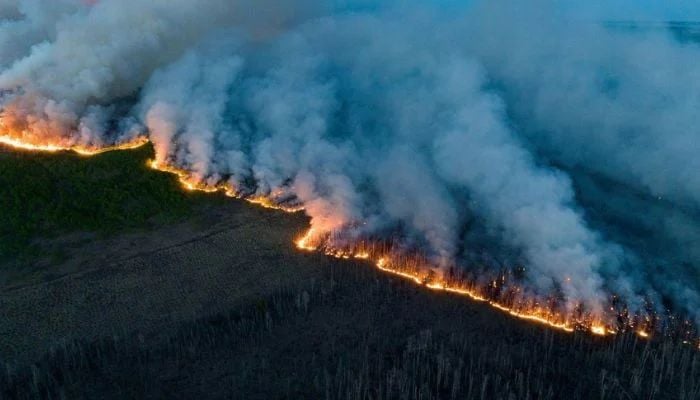
In cities like Toronto, the situation is particularly severe with air quality ranking among the worst globally on Wednesday.
Why this is happening
A “perfect storm for really dry conditions” has fueled these fires, allowing smoke to spread rapidly across the border. While the number of fires in Canada is lower than the long-term average, current conditions including extreme heat and humidity are making it difficult to clear the haze.
Staying safe indoors
Experts urge residents to keep windows closed and use air purifiers if possible. If you feel unwell, “stop or reduce your activity level if breathing becomes uncomfortable.”