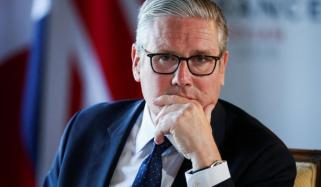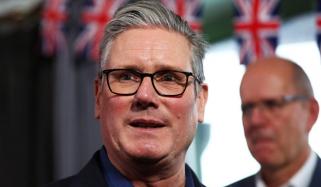
Sir Keir Starmer has resigned as the prime minister of the United Kingdom and Labour Party leader.
Starmer announced his resignation on Monday, June 22, with an emotional speech at Downing Street as Andy Burnham confirmed that he will stand to replace him.
Why did Starmer resign?
Starmer resigned after intense pressure from his own party, which believed that the 63-year-old is not the best person to lead the Labour Party in the next elections.
He said on Monday, “The question my party is asking now is whether I am best placed to lead us into the next general election. I have heard the answer of my parliamentary party to that question, and I accept that answer with good grace.”
“Every decision I’ve taken has been about putting the country I love first. That is why I will resign as leader of the Labour Party. I have spoken to His Majesty the King this morning to inform him of my decision,” Starmer added.
Who will be the next prime minister of UK?
Andy Burnham is expected to replace Starmer and become the seventh prime minister of the UK since the Brexit vote.
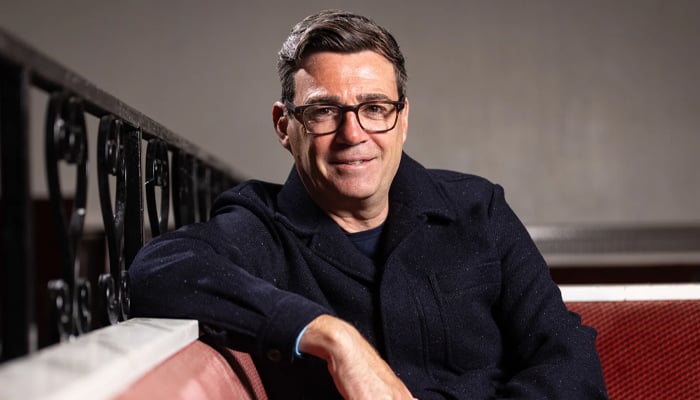
Following Starmer’s resignation, the former mayor of Greater Manchester, who has already gained support from prominent party members, announced his run to succeed the leader of the Labour Party since 2020.
Who is Andy Burnham?
Andy Burnham is a British politician who recently won the Makefield byelection and is set to be sworn in as the member on Monday.
Born in 1970, the 56-year-old joined the Labour Party at the age of just 15 before going to Cambridge University. His father was a BT engineer, and his mother worked as a GP receptionist.
After graduation in English at the university, he moved up in politics and became one of Labour’s most successful and senior politicians outside of Parliament.
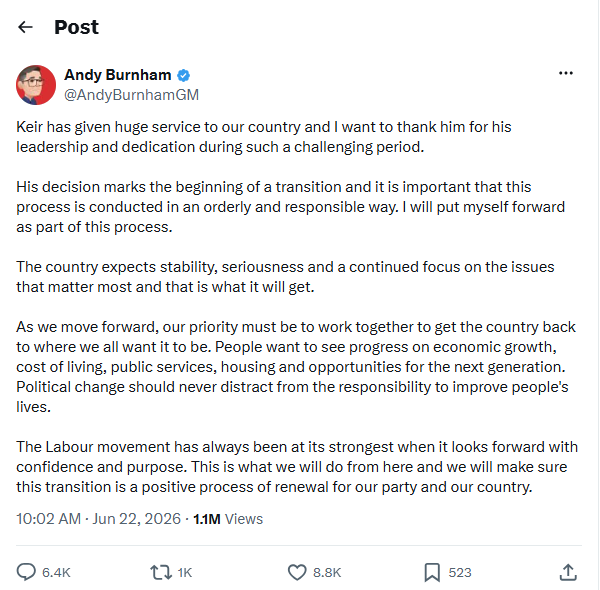
Announcing his run for the next PM and party leader, Burnham wrote on social media, “His (Starmer) decision marks the beginning of a transition, and it is important that this process is conducted in an orderly and responsible way. I will put myself forward as part of this process. The country expects stability, seriousness and a continued focus on the issues that matter most, and that is what it will get.”
“As we move forward, our priority must be to work together to get the country back to where we all want it to be. People want to see progress on economic growth, cost of living, public services, housing and opportunities for the next generation. Political change should never distract from the responsibility to improve people's lives,” he added.
Andy Burnham's political journey:
In his early 20s he worked with the late Tessa Jowell, Dulwich MP. In 1998 he became special adviser to Culture Secretary Chris Smith before getting elected as MP for Leigh, in Greater Manchester, in 2001.
Starting as a junior minister under Tony Blair, he got promoted to the Cabinet as chief secretary to the Treasury, culture secretary and health secretary under Gordon Brown.
A Remain supporter during the Brexit referendum, after seeing numerous ups and downs in his political career, including two unsuccessful runs for the party leader, he contested to become the first mayor of Greater Manchester in 2017 and won the election with more than 60% of the vote.
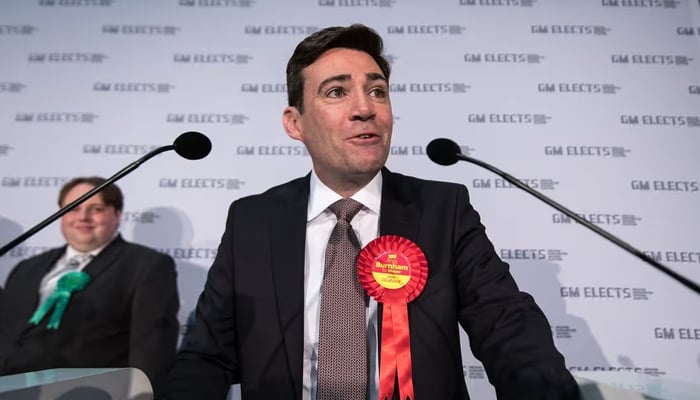
In 2021 he got re-elected as the mayor with a bigger margin than in the debut run.
He became a vocal critic of the recent UK governments. During the Covid-19 pandemic, he challenged then Prime Minister Boris Johnson over his “London-centric” approach and earned the “King of the North" nickname.
Burnham has been a frequent critic of Starmer and publicly called out central government policies.
After the party lost elections across England, Scotland and Wales in May 2026, Josh Simons paved his way for the Makerfield by-election after resigning as Labour MP, and in June he won and returned to Westminster.