The fragile hope for peace between the United States and Iran has suffered a severe blow. Following a two-day exchange of intense military strikes, the ceasefire established in mid-June appears to be on the verge of collapse.
The cycle of retaliation
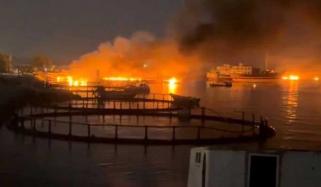
The latest violence began after Iran targeted commercial vessels in the Strait of Hormuz on July 6 and 7.
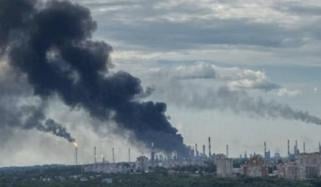
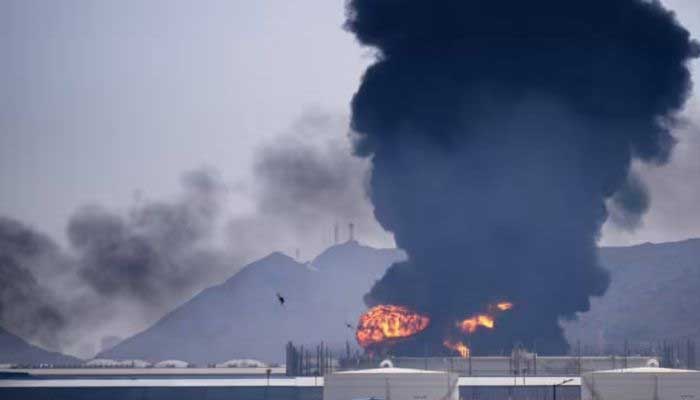
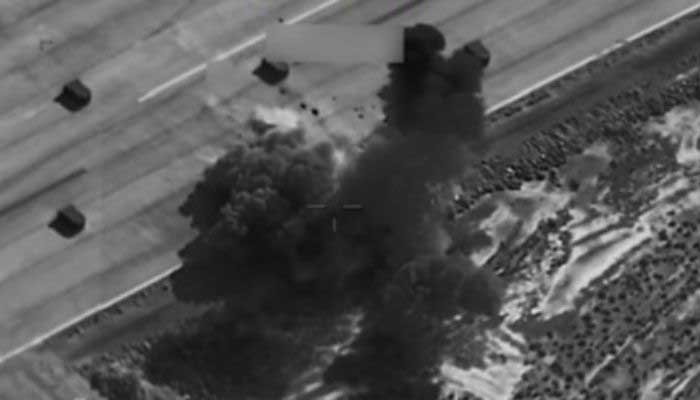
In response, the U.S. launched massive airstrikes against approximately 90 targets across Iran including air defense systems, radar and missiles storage sites. U.S Central Command stated these actions were necessary to “further degrade” Iran’s stability “to threaten freedom of navigation” in the vital waterway.
Iran quickly retaliated by firing missiles and drones toward U.S. bases in Kuwait and Bahrain.
The Islamic Revolutionary Guard Corps (IRGC) declared in a statement that, “in the first phase of the punitive response against the U.S, the IRGC’s naval and aerospace force destroyed the infrastructure and important facilities of the two colonial bases of the American occupiers.”
Casualties and regional impact
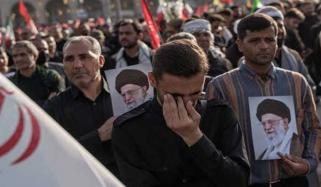
The human toll has been significant. Iran’s health ministry reported that 14 people were killed and 78 wounded during the U.S. strikes. Meanwhile, sirens sounded across the Gulf keeping regional allies on edge as the conflict threatened to widen.
The strained ceasefire
President Donald Trump recently declared that the truce was “over” though he later signaled that he did not believe a return to full-scale war was inevitable.
The U.S. administration remains firm on its objective with President Trump warning that, “if it happens again, it will get much worse!”
The path forward
Despite the chaos, mediators are working desperately to keep communication channels open. While Iranian officials have issued aggressive rhetoric, the diplomatic framework signed last month remains the only remaining path to prevent further regional instability.