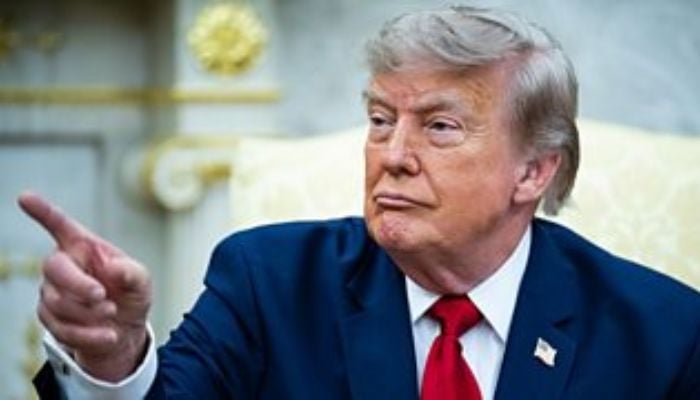
In a sudden policy shift, President Donald Trump announced on Tuesday that he is dropping plans to charge a 20% security fee on all cargo passing through the Strait of Hormuz.
This proposal which had sparked widespread concern among shipping experts and international legal analysts was intended to help the U.S. recoup costs of patrolling the vital waterway.
New strategy: Investment over fees
Instead of the controversial levy, the President plans to secure financial commitments through trade agreements. Trump stated on social media:
Based on highly productive conversations with Middle East leadership, I have decided to replace the 20% United States Reimbursement Fee with Trade and Investment Deals that the various Gulf States will be making into the United States.”
While the administration has not provided specific details on these deals, they are expected to involve significant new investments.
U.S. naval blockade resumes
While the fee is off the table, the U.S. military is moving forward with a blockade on Iranian ports. U.S. Central Command confirmed that forces would “resume blockading maritime traffic entering and exiting Iranian ports” starting July 14.
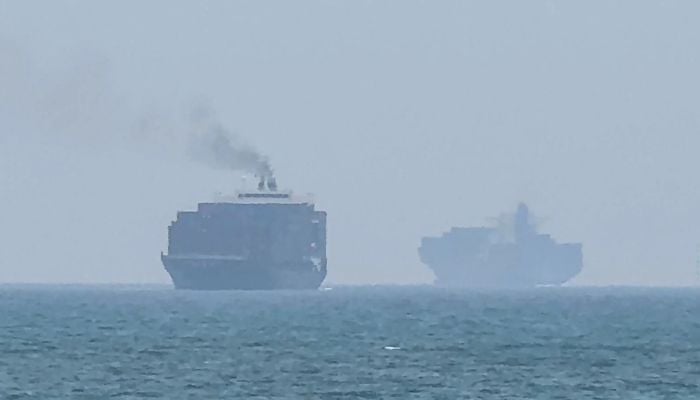
This operation targets vessels traveling to or from Iran, though the U.S. emphasized it continues to support normal traffic for all other compliant international vessels.
Regional conflict remains high
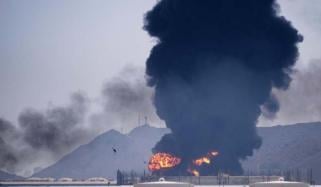
The situation follows several days of intense military strikes between the U.S. and Iran. With hostilities escalating and trade routes under pressure, the region remains on high alert as diplomats work to prevent the conflict from spiraling into an all-out war.