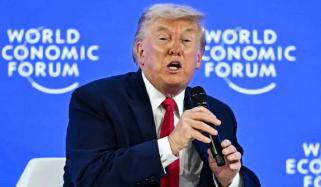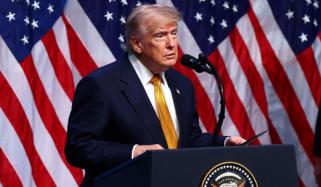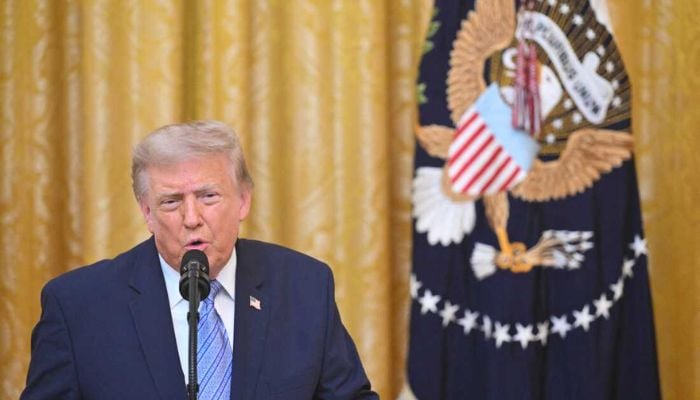
President Donald Trump delivered a prime-time address on July 16, 2026, focusing on election security. While the White House had promised major revelations, the speech primarily resurfaced long-standing, debunked claims regarding the 2020 election and alleged “vulnerabilities” in U.S. voting infrastructure.
Allegations of vulnerabilities
Trump claimed that documents he declassified show U.S. election systems are “vulnerable” and “easily compromised.” He specifically alleged that China acquired data on 220 million U.S. voters, calling it the “largest compromise of election data in history.”
However, experts noted that much of this information is already publicly available through state election boards. Trump also asserted that the government identified 278,000 noncitizens registered to vote, though officials have provided no evidence that such voting is widespread or has impacted election outcomes.
Democratic pushback
Democrats immediately criticized the address as a distraction from real security work. Former defense secretary Leon Panetta stated, “Recycling disproven claims about an election that took place six years ago doesn’t strengthen our security – its distracts from the real work of protecting the elections ahead.”
Senate Minority Leader Chuck Schumer labeled the associated legislative goals, such as the SAVE Act, as dead on arrival, saying, “The SAVE Act isn’t going anywhere. Period.”
Calls for legislative action
The president urged Congress to pass the SAVE America Act, which mandates strict voter-identification and proof-of-citizenship requirements. Critics, including former vice president Kamala Harris, argued that “the SAVE Act is voter suppression” and would disenfranchise many eligible voters.
Seeking accountability
Trump concluded by ordering investigations into intelligence officials who he alleged tried to hide these threats claiming they worked to actively suppress and downplay information about the extent of China’s sinister election meddling.” Meanwhile, state election officials across the country have largely condemned the rhetoric as unfounded.