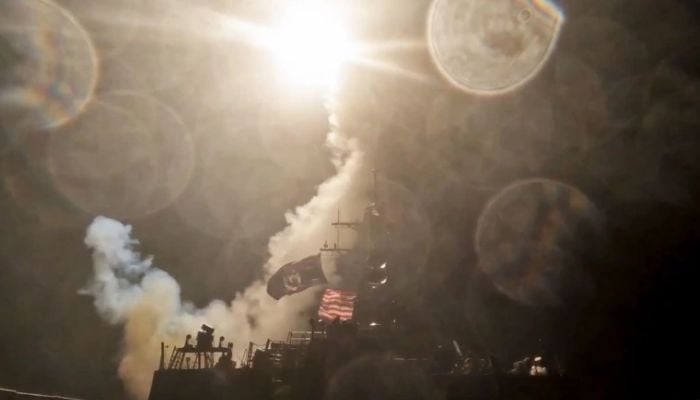
The United States has expanded its airstrike campaign against Iran for the sixth consecutive night as of Friday, July 17, 2026. The strikes have increasingly targeted vital infrastructure including bridges and port facilities to pressure Tehran over its control of the Strait of Hormuz.
Strikes on infrastructure
U.S. forces hit multiple bridges in southern Iran’s Hormozgan province. Attacks on the Bandar Khamir area were particularly lethal, reportedly killing seven people.
Military analysts believe these strikes aim to sever logistics routes between Iran’s main port, Bandar Abbas and the capital, Tehran.
Damage at key ports
In addition to bridges, a surveillance tower at the Chabahar port on the Gulf of Oman collapsed following a U.S. strike. While Iran described the tower as a tool for “overseeing commercial traffic,” the U.S. has targeted the facility repeatedly citing concerns over Revolutionary Guard operations and the need to degrade Iranian military capabilities.
Regional retaliation
The conflict has led to a collapse of last month’s interim ceasefire. In response, Iran launched missile barrages at U.S.-allied nations.
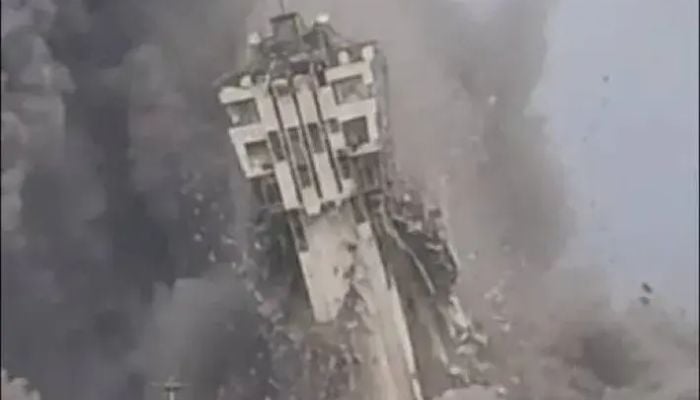
Kuwait reported that an attack damaged a “power generation and water desalination station,” causing a fire and electricity disruptions. Qatar and Bahrain also faced incoming fire, forcing residents to seek shelter.
Economic and humanitarian toll
The strikes have deeply impacted Iranian civilians. Residents report that prices have doubled and businesses are failing. As one citizen in Tehran stated, “The most important thing overall in the middle of the war is the economy. Everyday our situation is worse and more difficult.”
Meanwhile, Iran’s Energy Ministry has urged citizens to reduce power usage due to damage to electrical infrastructure.