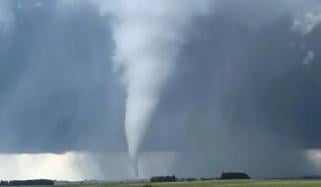
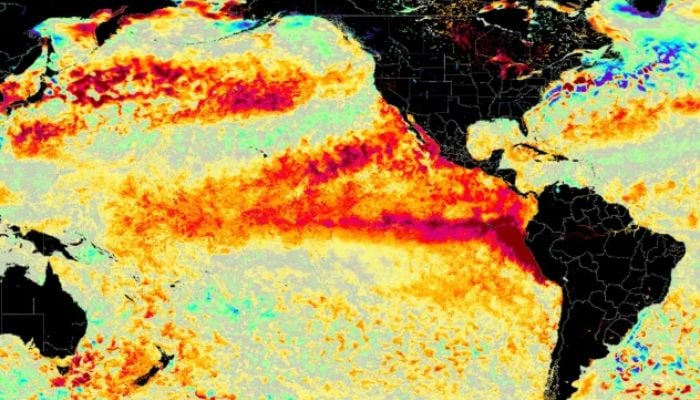
Meteorologists warning of severe climate disruption report that a powerful El Nino event is rapidly building across the equatorial Pacific Ocean. Water surface temperatures have spiked sharply above normal levels signaling what weather experts call a potential “Super El Nino” season.
Scientists sound urgent alarm
The World Meteorological Organization issued a comprehensive global climate briefing on the accelerating ocean warming trend. “El Nino conditions are already underway and are forecast to strengthen rapidly into a strong event,” said WMO Secretary-General Celeste Saulo.
Government forecasters now estimate an 81 percent probability that Pacific heat anomalies will reach historically extreme peaks before year-end.
Severe global drought risks
The sudden surge in oceanic heat is expected to transform global weather patterns dramatically through early 2027. Regions across northern South America, southern Africa and eastern Australia face prolonged droughts, intense heatwaves and severe crop losses. Agricultural water supplies and pasture lands face escalating strains in coming months.
Heavy rainfall and flooding
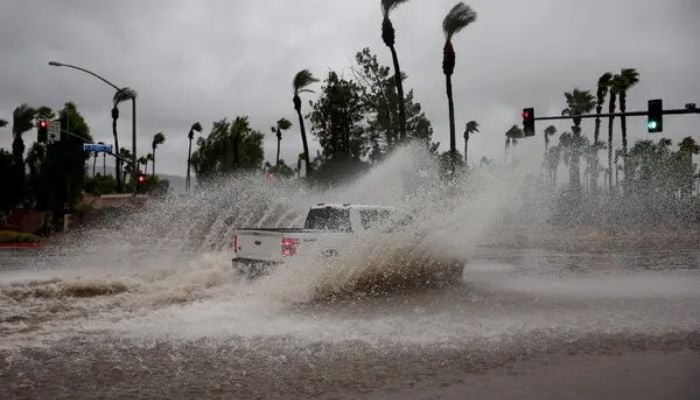
Conversely, coastal areas across North and South America prepare for heavy rainstorms, flash floods and severe high tide coastal flooding. Shifting atmospheric conditions are pushing major storm tracks southward, bringing heightened rain hazards to vulnerable low-lying shorelines.
Urgent call for action
Global disaster agencies urge leaders to act quickly to protect fragile local economies. “Every El Nino is not the same; each one is unique with it own imprint on our weather,” said Ken Graham, director of NOAA’s National Weather Service.
Emergency managers stress that early risk planning remains essential for protecting vulnerable lives, global food security and regional energy infrastructure.