United Nations climate negotiations at COP31 in Antalya, Turkey, have spilled into overtime as deep divisions over oil, gas and coal threaten to derail a final agreement.
Originally scheduled to conclude on Friday evening, the summit stretched into the weekend after a controversial draft text completely removed any mention of transitioning away from fossil fuels.
A clash over fossil fuels
The standoff pits a coalition of European Union members, Panama and vulnerable island states against major oil-producing nations led by Saudi Arabia.
Negotiators from France, Spain, and the Solomon Islands formally rejected the weakened draft, insisting that a credible climate deal cannot ignore the primary driver of global warming.
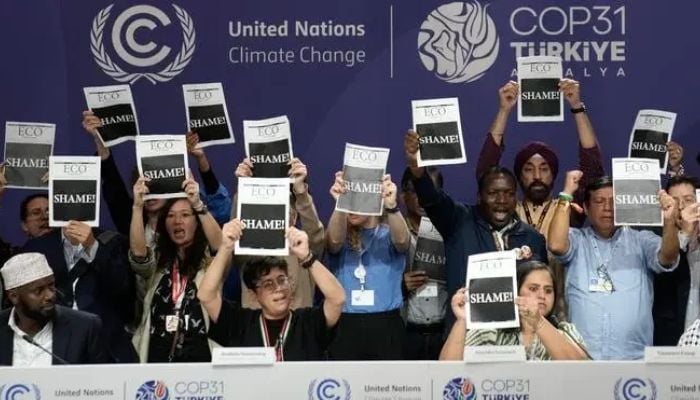
Panama’s environment minister sharply criticized oil-producing blocs for holding the talks hostage, while critics also pushed back against language promoting carbon capture technology as an excuse to keep burning fossil fuels.
Money and high-stakes gambles
Alongside the fossil fuel row, developing countries expressed anger over missing climate finance commitments, including the removal of a $120 billion target meant to help vulnerable nations adapt to extreme weather.
Because UN climate summits require unanimous consensus, forcing a public showdown with Saudi Arabia carries a major risk. Diplomats warn that cornering oil-producing states could trigger a walkout, collapsing the talks entirely.
With delegates rescheduling flights and plenary sessions delayed, negotiators face intense pressure to rescue a meaningful agreement before the summit closes.