A recent study revealed that more parents have refused Vitamin K shots for their newborns, and experts warn this poses a serious threat to babies health.
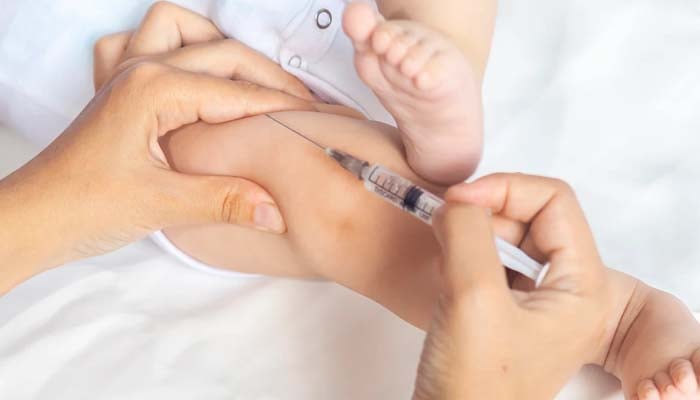
According to a study published in the JAMA, refusal of the Vitamin K injection, administered shortly after birth to prevent dangerous bleeding, has significantly increased in recent years.
For the study, researchers reviewed medical records of over five million infants born across 403 US hospitals between 2017-2024.
Nearly 4% of babies, roughly 200,000, did not receive the shot. Refusal increased from under 3% in 2017 to more than 5% in 2024, with a significant hike after the COVID pandemic.
Study author and a neonatologist at Children’s Hospital of Philadelphia Dr. Kristan Scott, stated, “The increase is not surprising, but the degree to which it did increase did catch me off guard,”
Vitamin K is a supplement that helps blood clot. Babies are born with extremely low levels, and without the shot, they are 80 times more likely to experience dangerous bleeding, and other blood-related disorders, such as hemophilia, and more, according to the CDC.
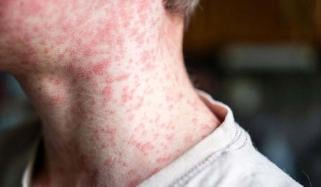
Bleeding can appear as bruising, internal bleeding, or in severe cases, brain bleeding may also lead to death.
Experts believe online misinformation and confusion with vaccines have accelerated the trend. While some countries use oral vitamin K, doctors say it’s less reliable and often requires several doses.