In a surprising revelation, a recent study confirmed that contrast agents used in medical imaging are endangering lives with water pollution.
According to a new study published in JAMA Network Open, researchers discovered that Medicare patients alone received 13.5 billion milliliters of contrast media between 2011 and 2024, most of that entered waterways after being excreted.
Lead researcher Dr. Florence Doo of the University of Maryland said these imaging agents, including iodine and gadolinium, “don’t disappear after use” and can accumulate in rivers, oceans, and even drinking water.
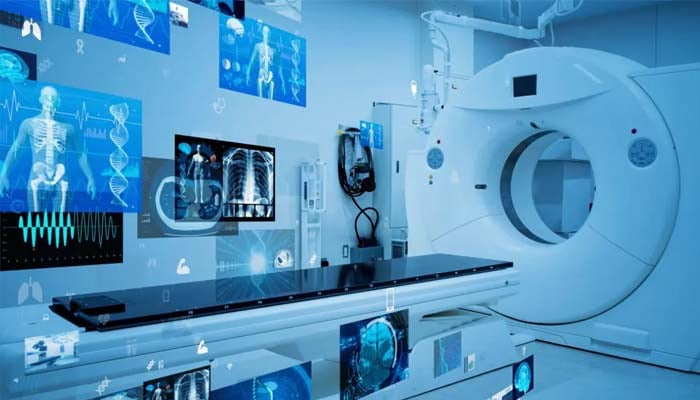
These substances are used to improve X-ray, CT, and MRI scans but are not biodegradable, and conventional wastewater treatment cannot remove them.
For the study, scientists examined 169 million contrast-enhanced imaging procedures over more than 13 years.
Iodine-based agents created more than 95% of the total, with CT scans of the abdomen and pelvis accounting for 4.4 billion milliliters alone. Gadolinium, commonly used for brain MRIs, which contributed up to 600 million milliliters.
Researchers found that a little number of high-use imaging procedures accounted for 80% of all contrast consumption.
Co-author Elizabeth Rula stressed the need to focus on these substances to minimise environmental impact.
Physicians can assist ensuring imaging is essential, while radiologists can reduce doses by adjusting for patient weight
Emerging solutions include biodegradable contrast agents and AI-based image analysis that may enable effective imaging with minimised contrast use.