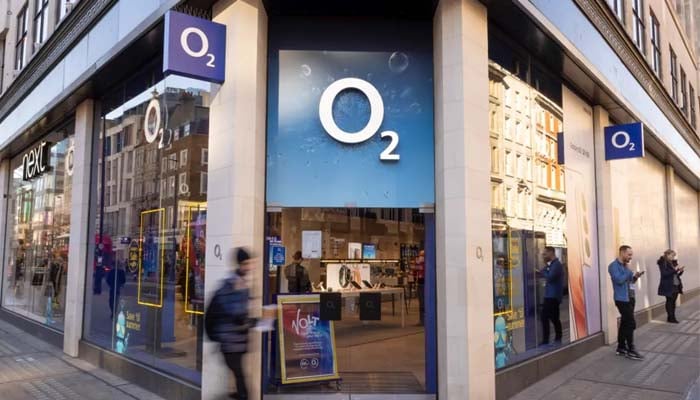
O2, one of the UK’s largest mobile networks, is set to halt its 3G network nationwide in 2026, leaving older phones unable to access mobile data.
While texts and calls messages will continue to work, devices depending solely on 3G will no longer support internet browsing, WhatsApp, Google Maps, and other data-driven apps without Wi-Fi.
O2 has already switched off 3G in select regions, including some parts of Scotland, with the final areas likely to follow soon.
Despite occasional brief 3G signals early this year, the network will be retired.
Notably, it's a part of a broader industry trend: EE, Vodafone, and Three have already completed their own 3G shutdowns in recent years.
This significant move comes as 3G now accounts for less than 2% of all mobile data on Virgin Media O2’s network.
By retiring the technology, 02 can free up valuable radio spectrum for 4G and 5G, boosting installation speeds and enhanced the call quality for the latest devices integrated with cutting-edge technology.
02 has been running trials in cities, including Norwich, Telford, and Guildford to ensure better transition.
O2’s Chief Technology Officer Jeanie York called 3G “a relic of a bygone era” and underscored the enhanced streaming and connectivity users will receive with upgrades.
Customers still using older phones should have received notifications from O2 with options to upgrade. Users are required to visit stores, call customer service, or check My O2 online to secure a 4G or 5G device and maintain full mobile service.