US officially ends partnership with WHO, citing policy failures
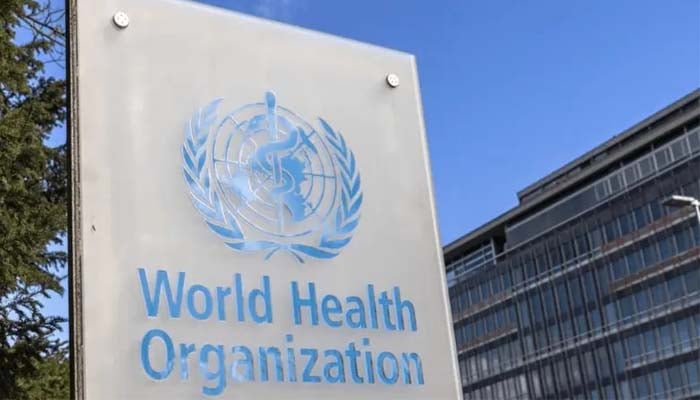
In a surprising development, the USA has officially cut ties with the World Health Organization (WHO).
On January 22, the Trump administration announced that the partnership has ended, raising serious concerns regarding how the country will now monitor and respond to infectious diseases such as influenza.
The significant action comes after an executive order signed by President Donald Trump on the first day of his second term, starting the US withdrawal from the WHO within a year.
Notably, it does not mark the first agreement exit in recent weeks, as the administration has also withdrawn from several others.
Secretary of State Marco Rubio and Health and Human Services Secretary Robert F. Kennedy Jr. released a joint statement, which read, “This action responds to the WHO’s failures during the Covid-19 pandemic and seeks to rectify the harm from those failures inflicted on the American people.”
The WHO said its executive board will discuss the US exit at a meeting next month.
Director General Tedros Adhanom Ghebreyesus said last week that the withdrawal would make both the US and the rest of the world less safe, stating, “It’s not really the right decision. I want to say it bluntly.”
Public health experts cautioned that leaving the WHO may weaken surveillance on infections, particularly for influenza.
The withdrawal comes just before the WHO’s annual meeting to identify flu strains for next season’s vaccines, a process in which the US has significantly contributed.
According to the CDC, the US is currently facing a rapid surge in a severe flu season, with an estimated 18 million cases and nearly 10,000 deaths so far,
Experts warned that losing access to the WHO’s global laboratory network could generate dangerous gaps in early detection of diseases.