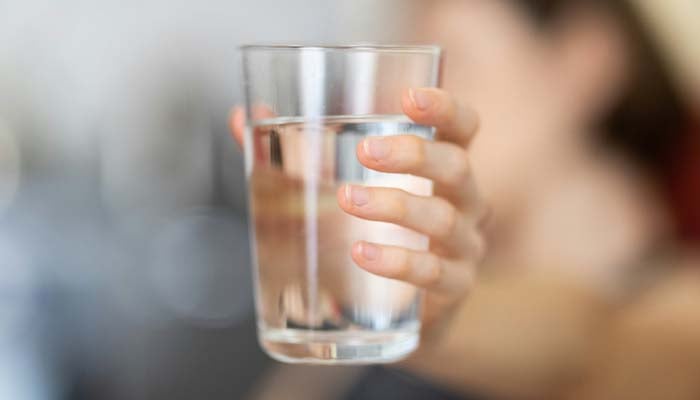
A recent review discovered that salty drinking water significantly contributes to hypertension.
As per the review published in BMJ Global Health, individuals who were exposed to increased salt levels in drinking water were found to be at 26% higher risk of developing hypertension.
Scientists mentioned that while the surge in risk may appear modest for individuals, its impact becomes substantial when exposed to larger populations.
Senior researcher Rajiv Chowdhury, chair of global health at Florida International University, stated, “These are modest increases at the individual level, but when large populations are exposed, even small shifts in blood pressure can have significant public health effects.”
For the analysis, scientists gathered data from 27 prior researches involving over 74,000 participants across several countries, including the United States, Bangladesh, Vietnam, Kenya, Australia, Israel, and parts of Europe.
The review found that increased salt levels in drinking water were linked to an average 3.2-point rise in systolic blood pressure and a 2.8-point raise in diastolic pressure.
High blood pressure is considered 130/80 mmHg or higher, according to the American Heart Association.