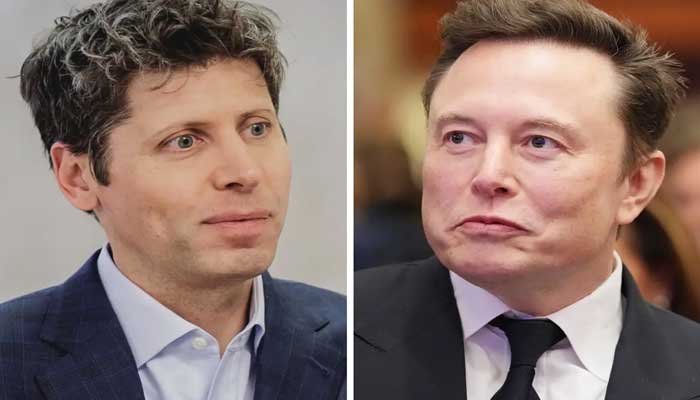
Everyone nowadays is familiar with the ongoing legal battle between Elon Musk and OpenAI CEO Sam Altman, which has now entered a critical phase in a federal courthouse in Oakland.
The major conflict centers on whether OpenAI abandoned its original nonprofit mission and misled its early backers.
The case may even reshape the future of artificial intelligence (AI). The case stems back to 2015, when Musk, Altman, and others co-founded OpenAI as a nonprofit research organization intended to develop AI safely and for the advantage of humanity, instead of corporate profit.
Musk argues that he supported this mission financially and strategically, contributing nearly $38 million and assisting recruit top researchers.
As per his lawsuit, the ChatGPT manufacturer deviated from its founding principles by shifting toward a for-profit structure and forming deep commercial ties with significant investors such as Microsoft.
Musk claimed this major transformation represents a “betrayal” of the original agreement of the company’s motive and that donors were misled regarding the organization’s long-term intentions.
During the trial’s second and third days, courtroom testimony underscored disagreements over Musk‘s intentions and contributions, whiole some jurors argued that Musk sued the company now afer OpenAI's massive success, aiming to rival xAI.
As per OpenAI’s legal team, Musk once pledged up to $1 billion but ultimately provided but ended up giving only a small fraction of amount ahead of his departure from the organisation.
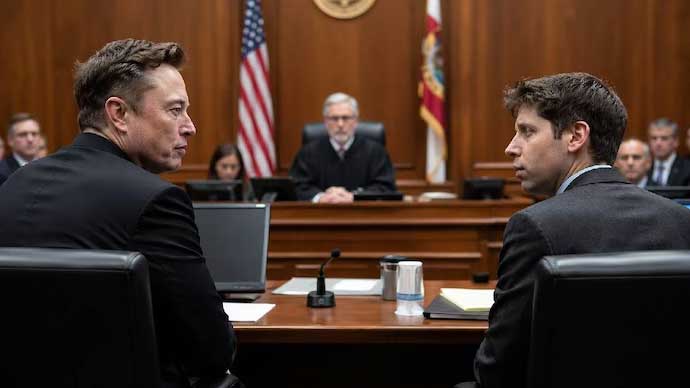
In response, Musk insisted that his contributions were beyond money, including reputation, talent recruitment, and early leadership.
Major issues surrounded internal communications about corporate structure, Musk’s own interest in alternative governance models, and more.
The case’s result may pose major implications for future AI development and the structure of philanthropic tech startups.