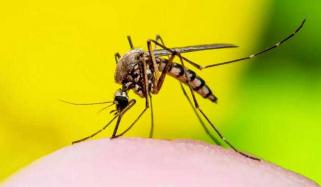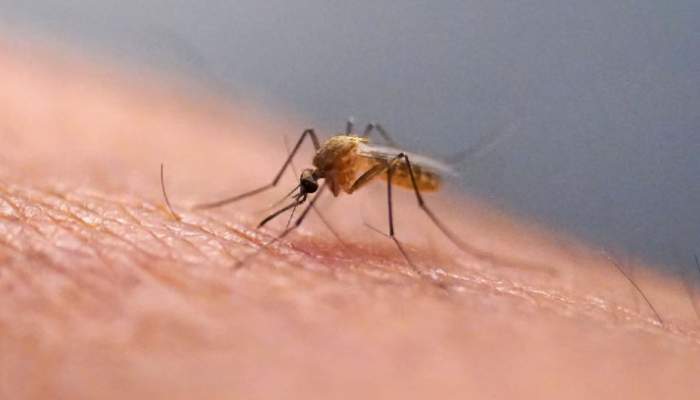
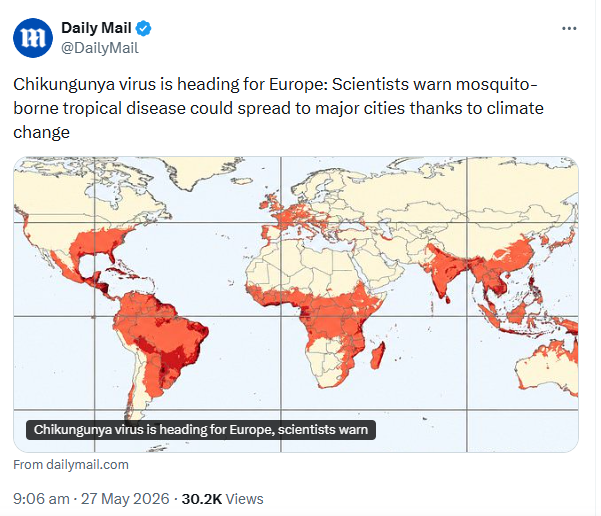
Chikungunya virus, the mosquito-borne tropical disease could soon spread to Europe and North America, a new study has warned.
According to Daily Mail, scientists from Zhejiang Chinese Medical University in Hangzhou, China, say that climate change is creating the perfect conditions for two mosquito vectors in major cities.
Study author Dr Yang Wu said, “Climate change affects chikungunya mainly by changing where its mosquito vectors can live. In our study, the Asian tiger mosquito was especially important, explaining more than 70% of the predicted distribution of the virus.”
“Because this mosquito can tolerate cooler conditions better than the yellow fever mosquito, warming may allow it to establish in places that used to be too cold. When suitable mosquitoes become established, the chance of local chikungunya transmission increases,” he added.
How chikungunya virus is spread?
Chikungunya virus disease is a mosquito-borne disease that is found across tropical and sub-tropical regions.
It is spread to humans by a bite from an infected mosquito. It cannot be passed from human to human.
Symptoms:
Chikungunya originates from a word used by the Makonde people in Tanzania, where the disease was first discovered in the 1950s.
It means “that which bends up”, describing the contorted posture of infected people who experience severe joint pain.
Alongside joint pain, people can also experience an abrupt onset of fever, joint swelling, muscle pain, headaches, nausea, fatigue and rashes.
The joint pain can be debilitating and usually lasts for a few days, but it has been known to last for weeks, months or even years.
While the virus is rarely fatal, it can cause prolonged joint pain and disability.