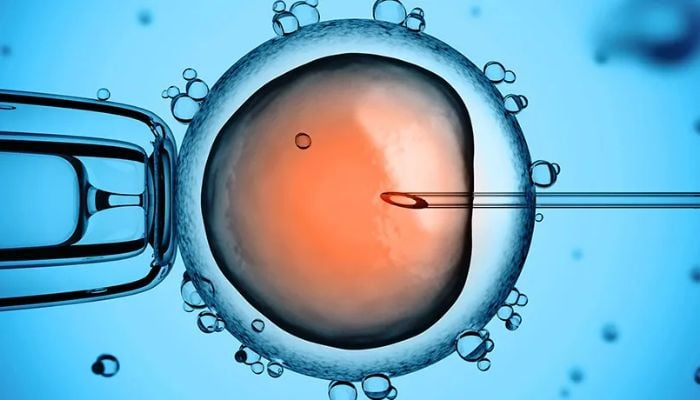
A new study published on June 1, 2026, reveals that researchers have successfully used “base editing” to modify human embryos without causing the dangerous chromosomal damage often linked to traditional CRISPR methods.
Older techniques, which act like genetic scissors frequently cause double-strand breaks in DNA, leading to large deletions or accidental chromosomal loss.
In contrast, this new approach uses a gentler method to target specific genetic sequences.
By introducing the editor as a protein during the fertilization stage, scientists achieved precise, on-target changes while avoiding “genotoxic consequences” which are harmful effects on the genome.
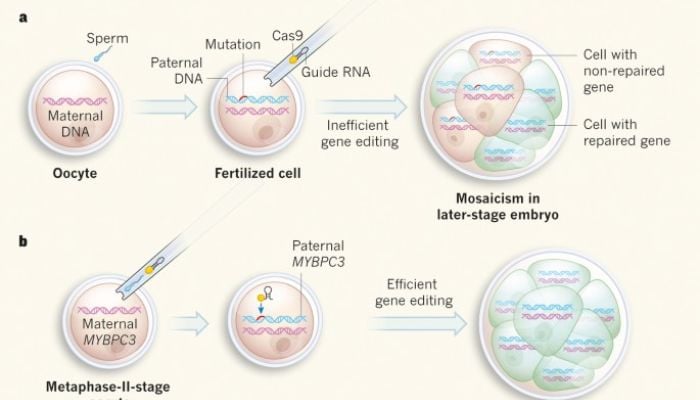
The study highlights that unlike older methods, “DNA nicks and mismatches are efficiently repaired in human embryos, allowing specific on-target changes without genotoxic consequences.”
While this breakthrough marks a major technical milestone for laboratory research, experts emphasize that the field remains cautious.
Clinical applications for human birth are currently banned in many nations due to ethical concerns and the risk of unforeseen long-term health effects.
For now, the technology serves as a vital tool for scientists to study how genes function and to develop future therapies for severe inherited diseases.