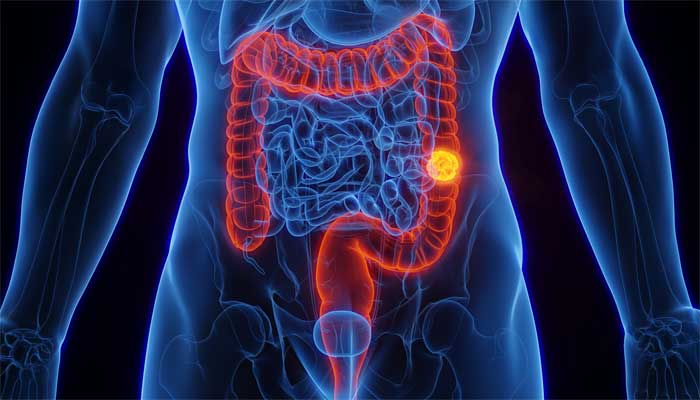
New blood test offers alternative for colon cancer screening
A newly approved blood test is providing an extra option for colorectal cancer screening, especially for individuals who are unwilling or unable to undergo a colonoscopy.
While experts underscore that colonoscopy remains the gold standard to identify colon cancer, the blood test may assist enhance screening notes among underprivileged populations.
Approved by the FDA in 2024, the test analyzes a blood sample for DNA changes associated with cancer or precancerous cells. The American Cancer Society has added the blood test to its screening recommendations, although it ranks behind colonoscopy and stool-based tests.
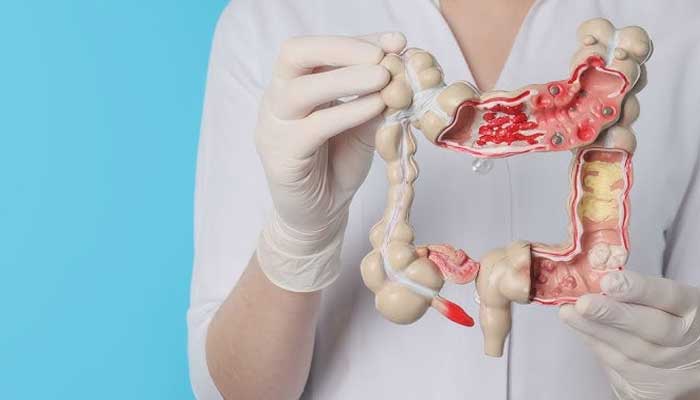
As per the FDA in 2024, the test detects a blood sample for DNA changes linked to cancer or precancerous cells.
A gastroenterologist and director of the Institute for Gut-Brain Research Trisha Pasricha stated, “All of us agree that a screening test, any screening test, is better than no screening test.”
“If that’s the only option, of course we want you to get it done because at least it gives us some helpful information that we can act on,” the researcher added.
Colon cancer is one of the second-leading causes of cancer-related deaths in the United States, claiming over 50,000 lives annually.
Health experts projected that over one-third of eligible Americans are not following the recommendations, significantly raising the risk of late-stage diagnoses.
One of the most significant limitations of the blood test is its reduced ability to identify precancerous polyps in contrast to colonoscopy.
Colonoscopies are not only useful in detecting these growths but also let doctors remove them before they become cancerous.
Stool-based tests, meanwhile, are able to identify blood or DNA changes associated with cancer and are advised every one to three years.
Current guidelines advise adults at average risk to begin colorectal cancer screening at age 45 and continue until age 75.
The advised screening interval varies by method, and any abnormal blood or stool test result should be followed by a colonoscopy for timely diagnosis of colorectal cancer.