
A recent study revealed that specific eating patterns may assist in reducing the risk of obesity during this life shift.
For the study, scientists followed over 38,000 women for 12 years, tracking their food consumption and weight related changes in perimenopause, during or post menopause.
Researchers compared their annual weight change across 7 dietary patterns, including the Mediterranean diet, the DASH diet, plant-based diets, low-carb diets and ultra-processed food consumption.
On average, women gained about 2 pounds every year.
The most commonly followed plant-forward eating pattern called the “planetary health diet.”
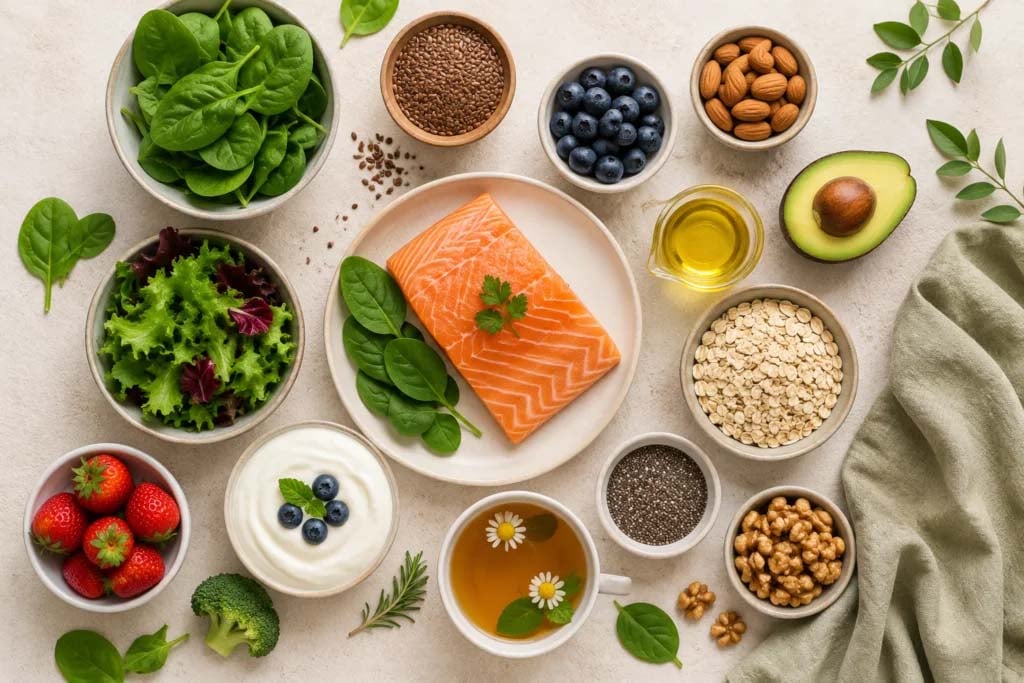
The diet is primarily focused on fruits, vegetables, legumes, nuts, whole grains and healthy fats, while limiting ultra-processed foods, refined carbs, and processed meats.
Similar eating styles, including the Mediterranean diet, DASH diet and healthy plant-based diets, were associated with improved weight results.
Notably, diets more likely to significantly raise blood sugar and insulin levels were linked to greater weight gain during menopause.
These diets tend to be higher in ultra-processed foods, red and processed meats, potatoes and sodium.
As per the study authors, the findings suggest small dietary changes may assist in easily reducing your weight in a healthier way and long-term metabolic health during menopause.