The United Nations has warned the world to prepare for the imminent return of El Niño and the supercharged weather extremes.
According to The Guardian, the World Meteorological Organization (WMO) said on Tuesday, June 2,that the powerful natural weather pattern, which raises global temperatures and worsens some rainfall, has an 80% chance of forming before September and a 90% chance before November.
UN found most models projected the return of the cyclical phenomenon in the ocean and atmosphere to be “at least moderate” in strength, and possibly strong.
Scientists have previously warned that it could be the strongest this century. However, the WMO stopped short of backing such projections and said forecasters were still in a window of uncertainty.
Celeste Saulo, the secretary general of the WMO noted, “The spread is large. There are models that are not providing any indication of a strong El Niño, while others are doing so.”
António Guterres, the UN secretary general, said the world “must treat it as the urgent climate warning it is”.
“El Niño conditions will pour fuel on the fire of a warming world. Impacts will hit even harder, travel even farther, and cross borders with devastating speed,” he added.
The most recent El Niño, which hit in 2023-24, was one of the five strongest on record and contributed to a scorchingly hot year in 2024 that broke global temperature records.
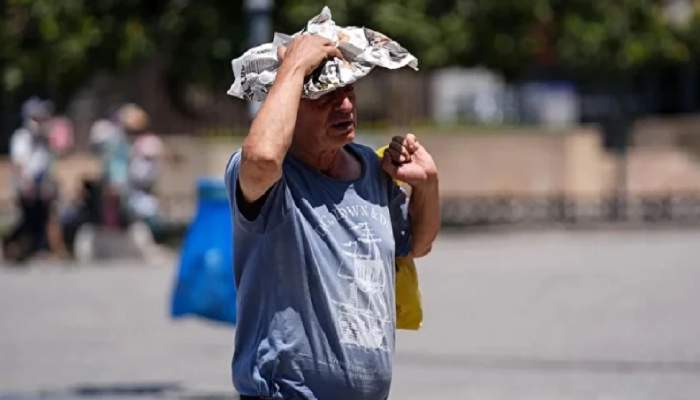
The WMO said unusually high temperatures were forecast in nearly all parts of the planet for the next three months, and warned of a greater probability of extreme rain and drought.
Although each El Niño event is unique, scientists usually associate them with heavier rain in parts of South America, the southern US, the Horn of Africa and central Asia.
Drier conditions typically hit Central America, northern South America, the Caribbean, Australia, Indonesia and parts of south Asia.