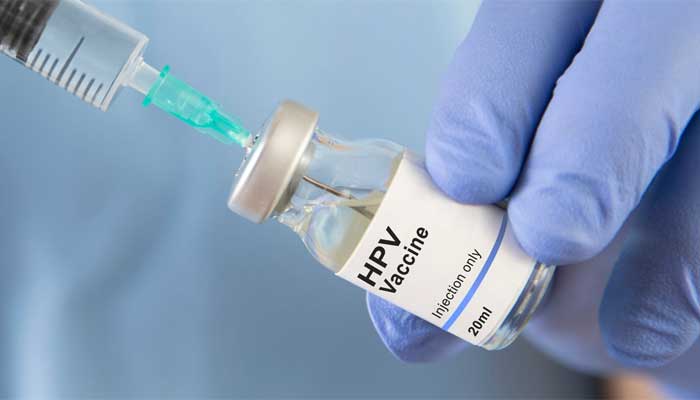
A major UK study has discovered that children vaccinated against the human papillomavirus (HPV) at ages 12 to 13 have an almost zero risk of dying from cervical cancer ahead of reaching the age of 30, underscoring the vaccine’s life-saving impact.
The research, funded by Cancer Research UK and led by Queen Mary University of London, offers strong evidence that the HPV vaccination programme is assisting to eliminate cervical cancer.
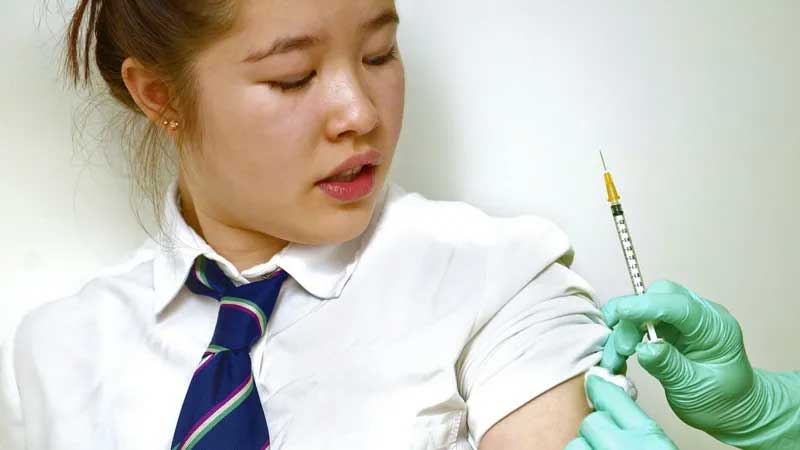
Data suggests that nearly 200 lives in England have already been saved since the vaccine was introduced for girls in 2008 and later extended to boys in 2019.
The study, published in The Lancet, found that there were no cervical cancer deaths among women aged 20 to 24 in England between 2020 and 2024.
Without the vaccine, scientists projected around 23 deaths would have been expected during that period. An 80% reduction in cervical cancer deaths was also recorded among women in this age group between 2015 and 2019.
HPV is considered a common virus associated with nearly all cases of cervical cancer and can also cause cancers of the mouth, throat, anus and other areas. The vaccine protects against nine high-risk HPV types.
Despite the success, experts voiced their concern regarding a declining vaccination rates. Around one in four young people leave school unvaccinated, with coverage remaining below the World Health Organization’s target of 90%, potentially threatening future progress against cervical cancer.