Heart strong, live long!
Many food products considered or marketed as safe may be imposing a significant impact on your heart health and you may be unaware of it.
While products boasting high protein, natural ingredients, or plant-based labels often attract health-conscious consumers, some ingredients that may be unsafe for you may adversely impact health over time.
Dr. Kyla Lara-Breitinger, a cardiologist at the Mayo Clinic and co-author of the Mayo Clinic Guide to a Healthy, Happy Heart, stated that everyday food choices play a significant role in maintaining your cardiac health by preventing heart disease, heart attacks, and strokes.
Ways to improve your heart health
Here are a few tips that may help in improving your heart health:
Protein drinks aren't always healthy
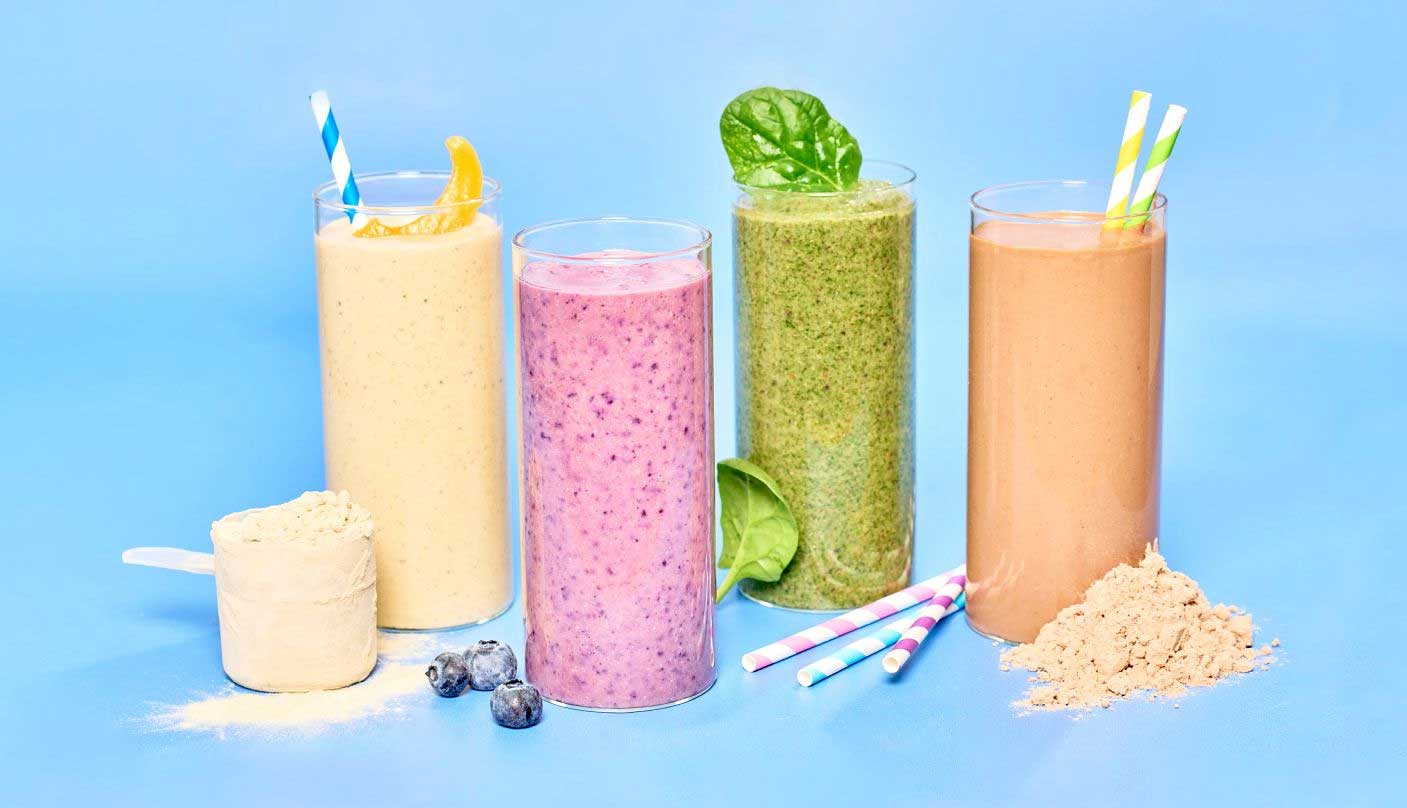
Protein-rich products have recently gained immense popularity, with everything from shakes and smoothies to yogurt and snack bars promising extra protein. However, Dr. Lara-Breitinger stated many ready-to-drink protein beverages are highly processed.
Several protein shakes have over 20 gm of extra sugar per serving—similar to the amount found in a can of soda.
Even products labeled as low in sugar often rely on artificial sweeteners, which may alter the gut microbiome and increase cravings for sweet foods.
Instead of choosing packaged protein drinks, the expert strongly advised opting for a change in food choice by getting protein from whole-food sources. Plant-based proteins such as beans, lentils, chickpeas, and edamame provide not only protein but also fiber, antioxidants, and extra plant compounds that help in maintaining cardiac health, as it doesn’t promote fat accumulation in arteries.
Granola can be packed with sugar
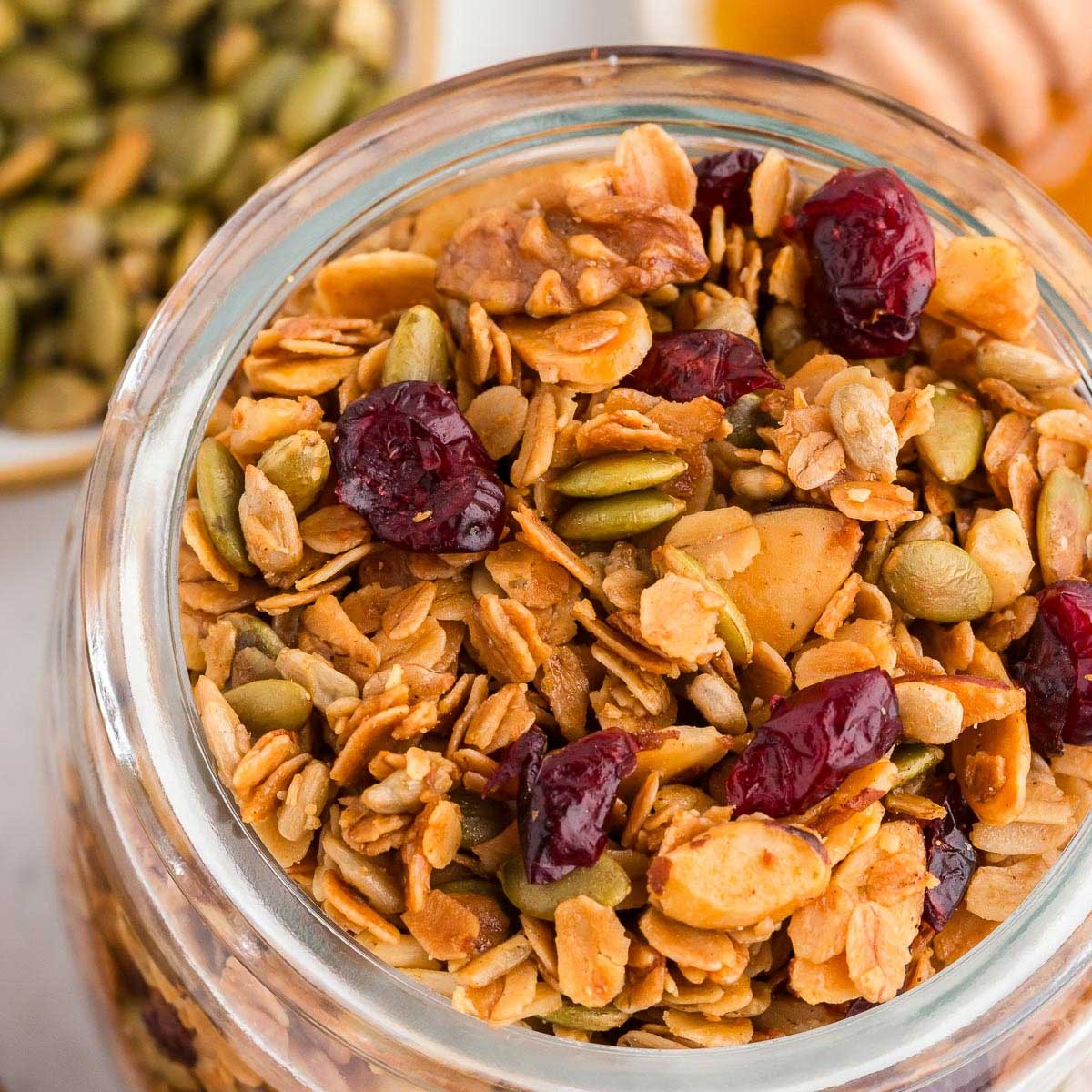
Granola is often considered a healthy breakfast or snack, particularly varieties marketed as high in protein. However, many commercial granolas are heavily processed, packed with a substantial amount of added sugar and unhealthy fats.
Moreover, processing can minimise the fiber content of wholesome grains, including oats, buckwheat, and millet.
Since fiber assists in reducing cholesterol, regulates blood pressure and minimizes inflammation, reducing these benefits makes many packages less nutritious than expected.
Dr. Lara-Breitinger advises checking ingredient labels carefully and selecting products made with recognizable, minimally processed ingredients.
An even and improved option is preparing homemade granola, where the amount of sugar and oil used in the food can easily be added in a small amount.
Coconut oil may increase cholesterol
Despite its reputation as a natural and plant-based ingredient, coconut oil may not be the healthiest cooking fat for your heart.
Dr. Lara-Breitinger stated she usually sees patients with significantly higher levels of LDL (bad cholesterol), which accumulates in arteries, causing atherosclerosis and narrowing down arteries.
Coconut oil is also frequently found in energy bars, baked goods, popcorn, chips, and other packaged snacks, simplifying its consumption of more saturated fat than intended.
Little changes bring impact!
Dr. Lara-Breitinger underscored over lifestyle modifications such as performing physical activities on a daily basis as heart health is built through consistent daily habits instead of perfection.
She further stressed the need of making habits of reading nutrition labels, eating minimally processed whole foods, and limiting added sugars and saturated fats can make a meaningful difference over time.
Moreover, she mentioned that keep yourself hydrated throughout the day to minimise salt cravings that will also support overall health.
Focusing on a balanced diet rich in fruits, vegetables, legumes, whole grains, nuts, and lean proteins remains one of the most effective ways to protect your heart for years to come.