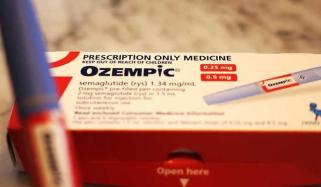
Millions of senior citizens across the US will soon receive access to prescription weight-loss drugs through Medicare for the first time, marking a major transition in obesity treatment in America.
Starting from July 1, eligible people will get specific GLP-1 drugs to deal with obesity via a temporary initiative, which is called the Bridge program, paying a flat copayment of only $50 every month.
The significant move is likely to enhance access to highly effective obesity drugs that were previously unaffordable for many aged individuals while also creating a range of opportunities for drug manufacturing companies.
However, experts caution that the program’s temporary nature and rollout challenges could create uncertainty for patients.
What is the Bridge program?
The Bridge program is a temporary Medicare demonstration initiative, which is particularly designed to offer obesity drugs that were previously excluded under federal law.
Although Medicare Part D has long covered GLP-1 medications to treat several conditions such as Type 2 diabetes and cardiovascular disease, it did not cover them when prescribed solely for weight loss.
Under the new program, eligible beneficiaries can get approved obesity drugs at a fixed monthly copayment, regardless of dosage.
The initiative is set to run till the last quarter of 2027, with uncertain future after the temporary period ends.
Who is eligible for the Bridge program?
The newly announced program is accessible to Medicare beneficiaries enrolled in Part D prescription drug plans who meet certain medical criteria.
All the obese patients with a higher body mass index (BMI) of 35 or higher qualify for coverage.
People with limited BMIs may also be eligible if they have obesity-related health conditions such as prediabetes, uncontrolled high blood pressure, a previous heart attack or stroke, or peripheral artery disease.
Doctors, not insurance companies, will determine whether patients meet the clinical requirements before submitting an authorization request.
How can patients access the drugs?
To get benefits, a healthcare provider must offer an eligible medication and submit a prior authorization request via the Bridge program.
Following approval, patients can gather their prescription from participating pharmacies after paying the standard $50 monthly copayment.
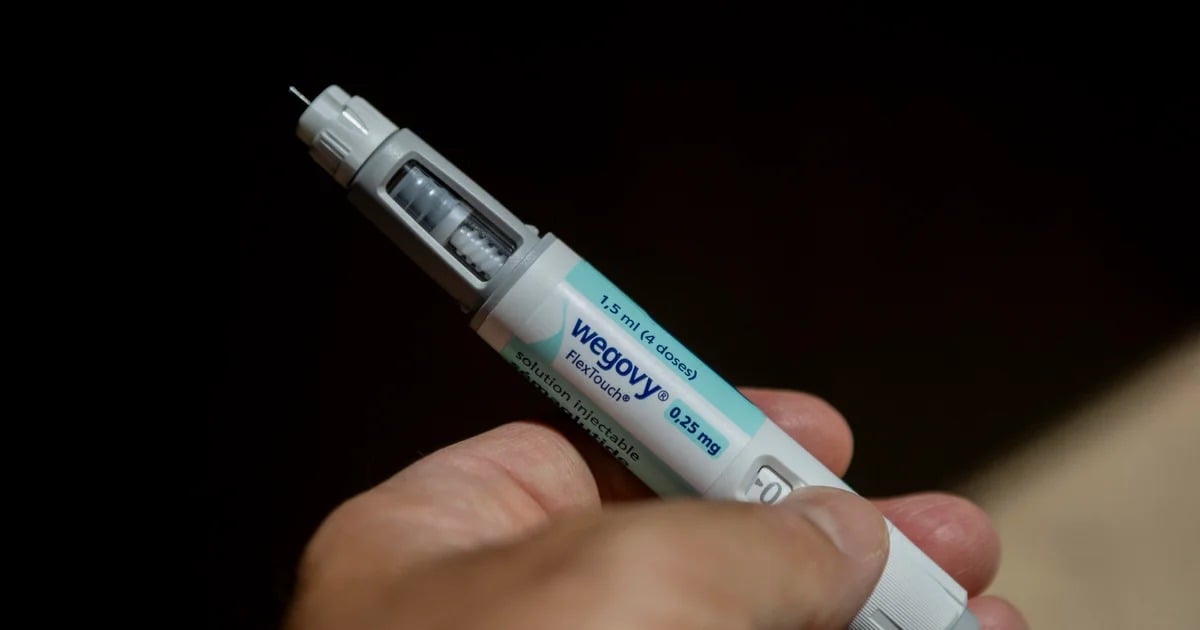
The medications covered include Wegovy and its oral formulation from Novo Nordisk, along with Zepbound KwikPen and Foundayo from Eli Lilly.
Patients already receiving GLP-1 medications through Medicare for diabetes, cardiovascular disease, or sleep apnea will continue using their existing coverage and are not eligible for the Bridge program.
Benefits and challenges
For many seniors, the new coverage could lower treatment costs. Without insurance, these drugs often cost several hundred dollars per month, placing them beyond the reach of many retirees.
However, experts expect a significantly higher demand to create challenges during the program's early months.
With the new scheme, physicians may face an increase in appointments and paperwork, while pharmacies could experience delays due to the surge in prescriptions.
Although Medicare aims to process authorization requests within 72 hours, some patients may still encounter waiting periods before beginning treatment.