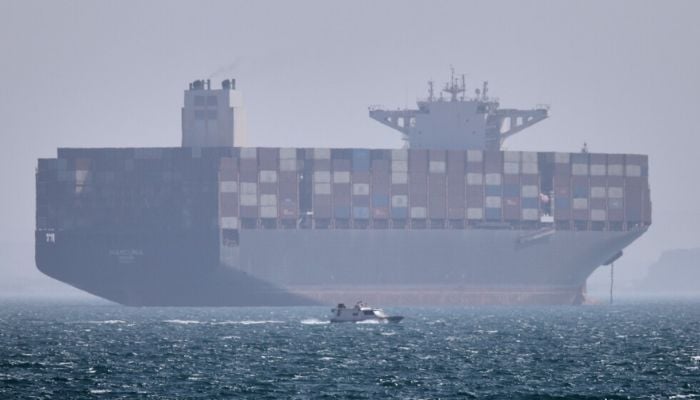
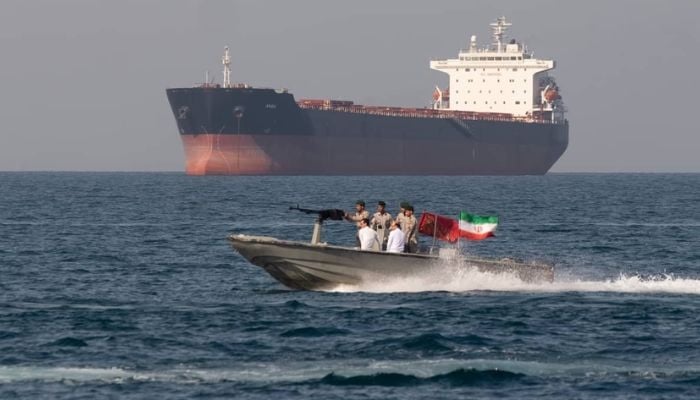
Tensions in the Strait of Hormuz have flared once again after Iranian forces reportedly struck two commercial vessels with missiles on Monday.
The attacks targeted ships including a Qatari-owned liquefied natural gas carrier as they traveled near the strategic waterway. U.S. officials confirmed the vessels sustained significant damage though fortunately no casualties were reported.
A breakdown in diplomacy
The fresh hostilities arrive as indirect talks between Washington and Tehran over maritime security appear to be stalling. Less than three weeks ago both nations signed a memorandum of understanding (MoU) intended to halt shipping attacks while broader negotiations were underway.
However, that agreement is now under extreme pressure. Iranian Foreign Minister Abbas Araghchi stated, “Negotiations on a final agreement would not begin while threats against Iran continued” while urging the U.S. to “honor your signature” under their existing agreement.
Conflicting accounts of the strikes
The two sides remain at odds over why the ships were targeted. Iranian state media claimed the vessels were warned repeatedly for using a U.S.-backed maritime route near the Omani coast instead of following Iran’s preferred traffic lanes.
Conversely, Qatar condemned the act with Foreign Ministry spokesman Majed al-Ansari calling it “an unacceptable attack on the security and safety of international maritime navigation.”
Qatar further demanded that Iran “immediately cease all practices that undermine regional security” and asserted that Tehran is “fully legally responsible” for the damage.
Regional instability
The strikes occurred during ongoing memorial ceremonies for Iran’s late supreme leader, Ali Khamenei, adding a layer of complexity to the region’s stability. With key energy supplies at risk and communication channels between the U.S. and Iran fraying, global concerns are rising over the future of one of the world’s most critical oil shipping corridors.