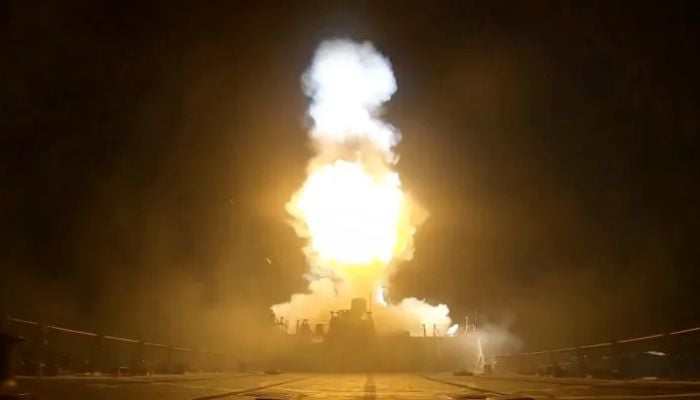
The Middle East is facing a dangerous escalation as Iran launched missile and drone attacks against several Gulf states today. These strikes follow a third night of heavy U.S. military operations against Iranian targets.
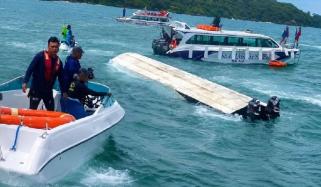
The U.S. Central Command (CENTCOM) confirmed it hit approximately 140 military sites including drone facilities and ammunition storage after the Iranian Revolutionary Guard Corps (IRGC) attacked a Cyprus-flagged container ship in the Strait of Hormuz.
Regarding the intensity of the U.S. response, Defense Secretary Pete Hegseth stated, “Iran made a poor choice. Now they pay.”
Iran closes vital waterway
In a move that threatens global energy supplies, Iran has announced the closure of the strategic Strait of Hormuz. Tehran claims it will keep the waterway shut until there is “the end of U.S. interference in this region.” The IRGC also reported that it struck a second vessel for allegedly “violating regulations” within strait.
While Iran maintains it has full control, CENTCOM reported that commercial traffic continues to navigate the area which typically carries one-fifth of the world’s oil and LNG.
Targets across the region
Iran retaliatory strikes have spread across the Gulf hitting sites in Jordan, Qatar, Kuwait, Bahrain and Oman. Local authorities reported sirens and explosions in several of these nations with three people reportedly injured by falling shrapnel in Qatar. Iranian officials claimed they destroyed a command center in Jordan and refueling facilities for U.S. aircraft carriers in Oman.
Call for de-escalation
As the conflict intensifies, regional leaders and international observers are calling for a return to diplomacy. Pakistan’s top diplomat urged all parties to “show restraint” and emphasized that “dialogue and diplomacy remain the only viable path to resolving disputes.”
Despite the rhetoric, the U.S. has maintained that it is imposing a “heavy cost by continuing to degrade Iran’s ability to attack civilian mariners.”