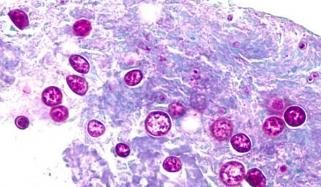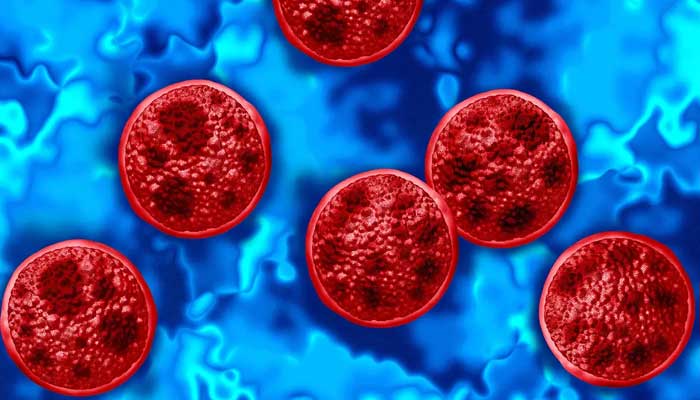
Health officials in the United States continue to investigate a significant surge in cyclosporiasis, an intestinal infection caused by the microscopic parasite Cyclospora cayetanensis.
More than 7,000 confirmed and probable cases have been reported this season, with several outbreaks under investigation across the country.
What is Cyclospora?
Cyclospora is a parasite that transmits via food or water contaminated with human feces.
Once ingested, it causes infection of the small intestine and commonly causes watery and “explosive” diarrhea, nausea, loss of appetite, stomach cramps, and weight loss.
Symptoms can last for weeks if left untreated, although the infection is generally not life-threatening. Doctors can effectively treat it with antibiotics.
Where are the cases increasing?
As per U.S. Centers for Disease Control and Prevention (CDC), the highest number of cases has been reported in Michigan, followed by Ohio, New York, North Carolina and Illinois.
Over 140 people have been hospitalized, though no deaths have been reported. Health officials expect case numbers to continue rising through August as investigations continue.
What foods are under suspicion?
Health officials are still trying to detect a single source of the outbreak. However, early investigations in Michigan suggest that lettuce or salad greens may be linked to some cases, although other foods have not been ruled out.
Previous Cyclospora outbreaks have been linked to salad greens, cilantro, basil, raspberries, green onions and snow peas.
Experts further mentioned that contaminated irrigation water may play a role in spreading the parasite.
Should you stop eating fresh produce?
Experts stated there is no reason to avoid fresh fruits and vegetables altogether. Most produce accessible in stores is not associated with the outbreak, and noting a diet rich in vegetables and fruits remains crucial.
To minimise the risk of infection, wash produce thoroughly under running water, remove outer leaves from leafy vegetables, peel fruits when possible, and cook vegetables to at least 158°F (70°C) when appropriate.
People experiencing persistent diarrhea or other symptoms should stay hydrated and seek medical attention promptly.