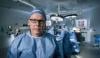
A groundbreaking study published this July reveals that a targeted treatment for prostate cancer is just as effective as traditional surgery and radiotherapy but with far fewer life-altering side effects.
What is focal therapy?
The treatment, known as “focal therapy” works by destroying only the specific part of the prostate containing the cancer rather than removing or radiating the entire organ. Because it spares healthy tissue, patients experience significantly lower rates of complications like urinary incontinence and erectile dysfunction.
Breakthrough study results
Researchers from Imperial College London followed 3,477 men over ten years. The findings were remarkable: only two men in the entire group died from prostate cancer, a success rate comparable to more invasive procedures.

“The results of our study are really encouraging,” said Dr. Alexander Light, one of the study’s authors. He noted that many patients have benefited, “including men with more aggressive disease who would traditionally have been told focal therapy wasn’t an option for them.”
A call for wider access
Despite its success, focal therapy is currently limited to a few specialist centers. Professor Hashim Ahmed, a lead researcher, stated, “Right now, only about 1,000 men per year have the treatment, when up to 15,000 men could – and are either not told about it, or do not have local access.”
This research, published in “European Urology,” provides strong evidence that focal therapy should be a standard option for the thousands of men diagnosed with localized cancer each year.