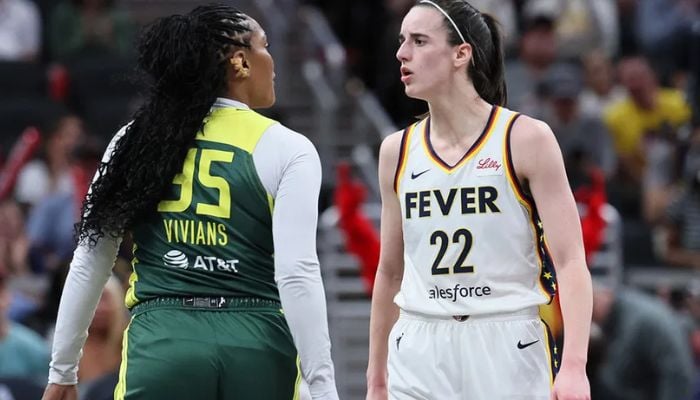
The WNBA is currently navigating intense scrutiny regarding player safety and officiating. Tensions reached a boiling point after a June 24 game when Phoenix Mercury forward Alyssa Thomas made contact with Caitlin Clark’s throat.
While officials did not call a foul during the game, the league later suspended Thomas for one game for “recklessly making contact with her fist.”
Escalation and online abuse
The aftermath triggered a wave of toxic social media vitriol. Alyssa Thomas reported receiving death threats and racial slurs, while Caitlin Clark has also been a target of harassment.
“I’ve said up here and said before, the harassment, the hate, none of that is OK,” Clark remarked, adding that “there should never be a question of character.”
Fever coach Stephanie White echoed this sentiment, calling the online behavior “absolutely unacceptable” and urging people to stop attacking players behind their keyboards.
Political involvement
The situation shifted into the political arena when 11 Republican lawmakers sent a letter to the WNBA, asking if attacks on Clark might be “racially motivated.”
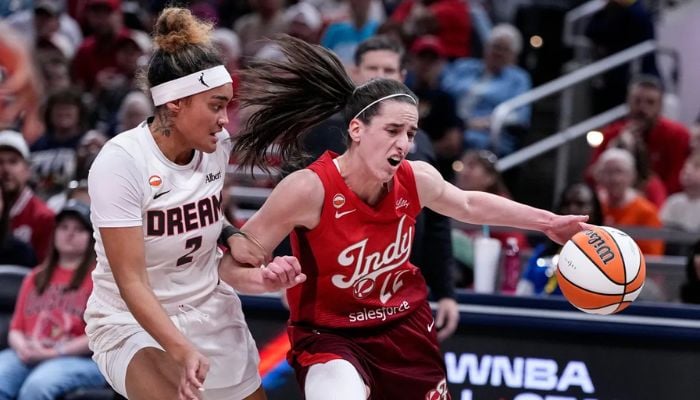
The group demanded answers regarding how the league handles physical play and monitors online abuse.
League response
NBA Commissioner Adam Silver recently noted that Clark has unfairly become a “political football” in a broader cultural debate. The WNBA, meanwhile, continues to implement security protocols, including AI tools to track threats and expanded mental health resources.
Despite these efforts, Clark expressed frustration that the ongoing controversy has overshadowed the game, stating, “I feel like that’s just a real disservice to our league.”